
The Silent Shift: Less Posting, More Lurking
Have you noticed your social feeds have become a little quieter? Perhaps your friends post fewer updates, or the once-busy group chats are now filled with silence. But nobody seems to be deleting their accounts or making dramatic exit announcements. Instead, there’s a subtle, collective movement happening: people are quietly stepping back from social media, changing the way they engage, consume, and share online. Let’s explore the psychology behind this shift and how it’s reshaping our digital lives.
Understanding the New Social Media Landscape
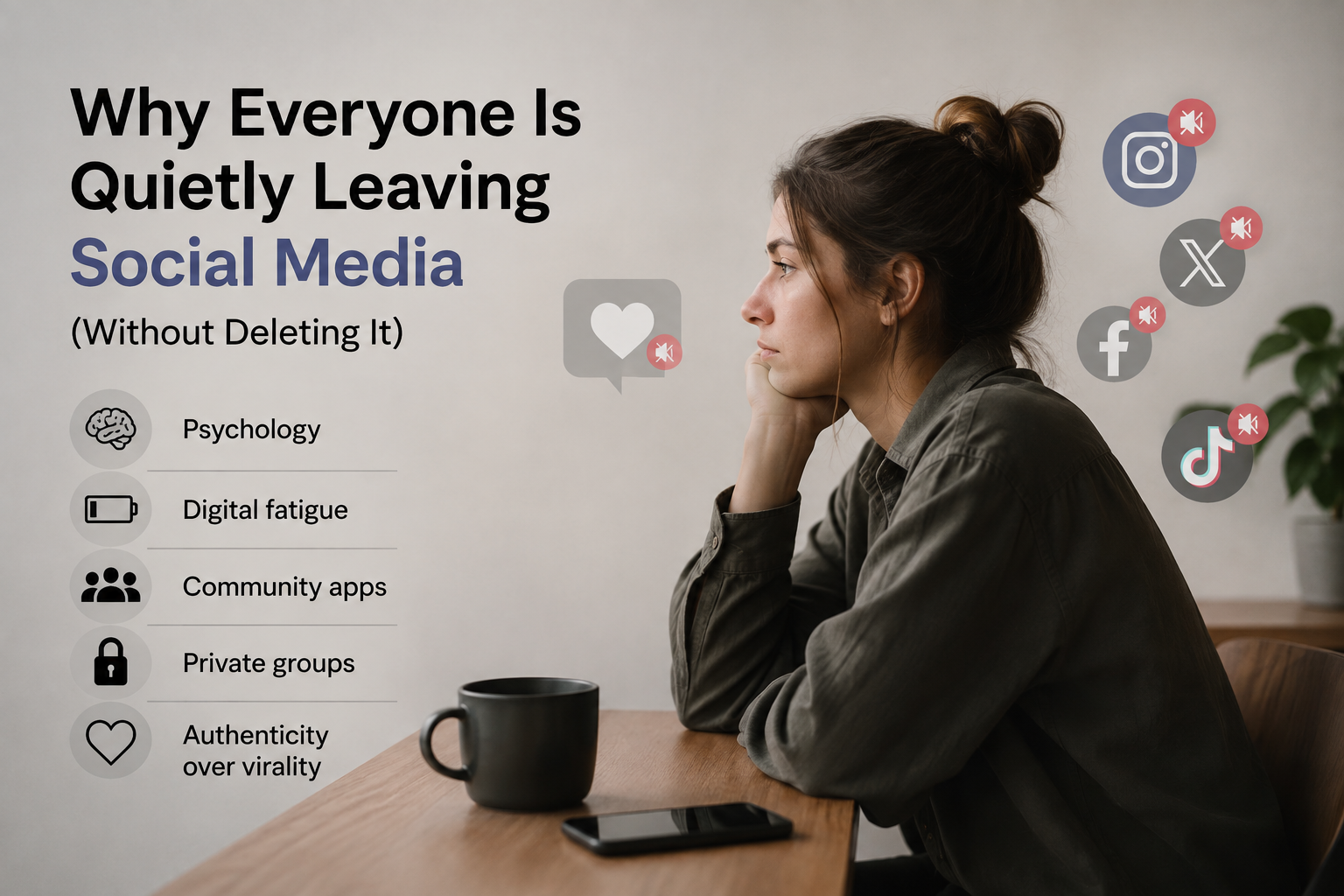
Social media platforms like Instagram, Facebook, and X (formerly Twitter) were once bustling with daily updates, photo dumps, and viral trends. In recent years, however, data and anecdotal evidence reveal that users are posting less frequently—yet they’re not leaving these platforms altogether. Instead, they’re choosing to observe rather than participate, shifting from creators to consumers.
Digital Fatigue: The Burnout Behind the Silence
One of the main drivers of this quiet exodus is digital fatigue. After years of nonstop scrolling, sharing, and engaging, users are feeling worn out by the relentless pace of online life. The pressure to curate a perfect image, keep up with algorithm changes, and chase virality can be exhausting.
- Endless Notifications: The constant ping of notifications creates a sense of urgency and anxiety, making it hard to truly disconnect.
- Information Overload: With millions of posts shared every minute, users struggle to process the sheer volume of content, leading to overwhelm and disengagement.
- Comparison Trap: Watching others’ highlight reels often breeds feelings of inadequacy or FOMO (Fear of Missing Out), fueling the desire to withdraw.
The Psychology of Stepping Back
Why are people choosing to quietly fade into the background instead of deleting their accounts? The answer lies in the psychology of belonging and fear of missing out. Social media remains a primary source of news, trends, and community, so most users don’t want to abandon it completely. Instead, they’re finding new ways to engage that better suit their mental health and personal priorities.
- Passive Consumption: People scroll and watch stories, but rarely post or comment. This allows them to stay in the loop without the pressure of public engagement.
- Selective Sharing: When users do post, it’s often in private groups or close friends lists, prioritizing authenticity over performance.
- Curating Feeds: Many are unfollowing accounts that no longer serve them, muting noisy feeds, and seeking content that aligns with their values.
The Rise of Community Apps and Private Groups
As traditional social platforms become more performative, users are gravitating toward smaller, more intimate digital spaces. Community-driven apps and private groups offer a refuge from the noise and judgment of public feeds.
- Discord: Originally popular among gamers, Discord has evolved into a hub for niche communities, where members can chat, share, and connect in real time.
- Geneva & Circle: These platforms allow users to build private groups around shared interests, fostering deeper connections and more meaningful conversations.
- WhatsApp & Telegram: Encrypted group chats provide a sense of privacy and security, encouraging more honest and authentic interactions.
Authenticity Over Virality
The shift from public posting to private sharing is rooted in a desire for authenticity. The race for likes and viral fame is losing its appeal as users seek genuine connection and self-expression. In private spaces, people feel safer to be vulnerable, share real moments, and support each other without the pressure of public scrutiny.
Navigating Digital Fatigue: Tips for Mindful Social Media Use
If you’re feeling the urge to step back without disappearing completely, you’re not alone. Here are some ways to use social media more intentionally:
- Set Boundaries: Limit your screen time or schedule regular breaks to prevent burnout.
- Be Selective: Curate your feeds to include accounts and content that inspire, educate, or bring joy.
- Engage Privately: Move important conversations to private groups or chats for deeper, more meaningful interactions.
- Share Authentically: Post when you feel inspired, not pressured. Focus on sharing what matters to you, not what will get the most likes.
The Future of Social Media: Smaller Circles, Deeper Connections
As digital fatigue grows, the future of social media is likely to be less about public performance and more about private belonging. Platforms that enable small-group interaction, community building, and authentic sharing are gaining ground. Brands and creators should adapt by focusing on real value and genuine engagement rather than chasing viral trends.
Ultimately, the quiet exodus from public posting signals a maturing digital culture—one that values quality over quantity and real relationships over fleeting fame. Whether you’re a lurker, a selective sharer, or an active community member, remember: your digital life is yours to shape, on your terms.
Conclusion: Redefining Our Relationship With Social Media
Social media isn’t going away, but our relationship with it is evolving. As more people quietly step back from the spotlight, the focus is shifting toward authenticity, privacy, and mental well-being. Whether you’re seeking community, inspiration, or simply a quieter digital space, there are more ways than ever to stay connected—without feeling overwhelmed.