Discover the key differences between SS 304 and SS 316 pipes in the context of carbon steel pipes and tubes for the metal and steel industry. This guide highlights their unique properties, applications, and advantages to help readers make informed decisions. Learn more about which material best suits various industrial needs. Explore the details below.
When it comes to choosing the right stainless steel pipe for your project, understanding the difference between SS 304 and SS 316 can help you make an informed decision. Both of these stainless steel grades are commonly used in the metal and steel industry, but they offer different properties that suit specific applications. SS 304 is known for its excellent corrosion resistance and affordability, making it a popular choice for many general-purpose uses. On the other hand, SS 316 offers enhanced resistance to corrosion, especially in harsh environments or those exposed to chemicals and saltwater. This makes SS 316 a preferred option for industries that require extra durability, such as food processing, marine, and chemical manufacturing. By knowing the key differences between SS 304 and SS 316 pipes, you can select the material that best fits your needs and ensures the longevity and performance of your systems.
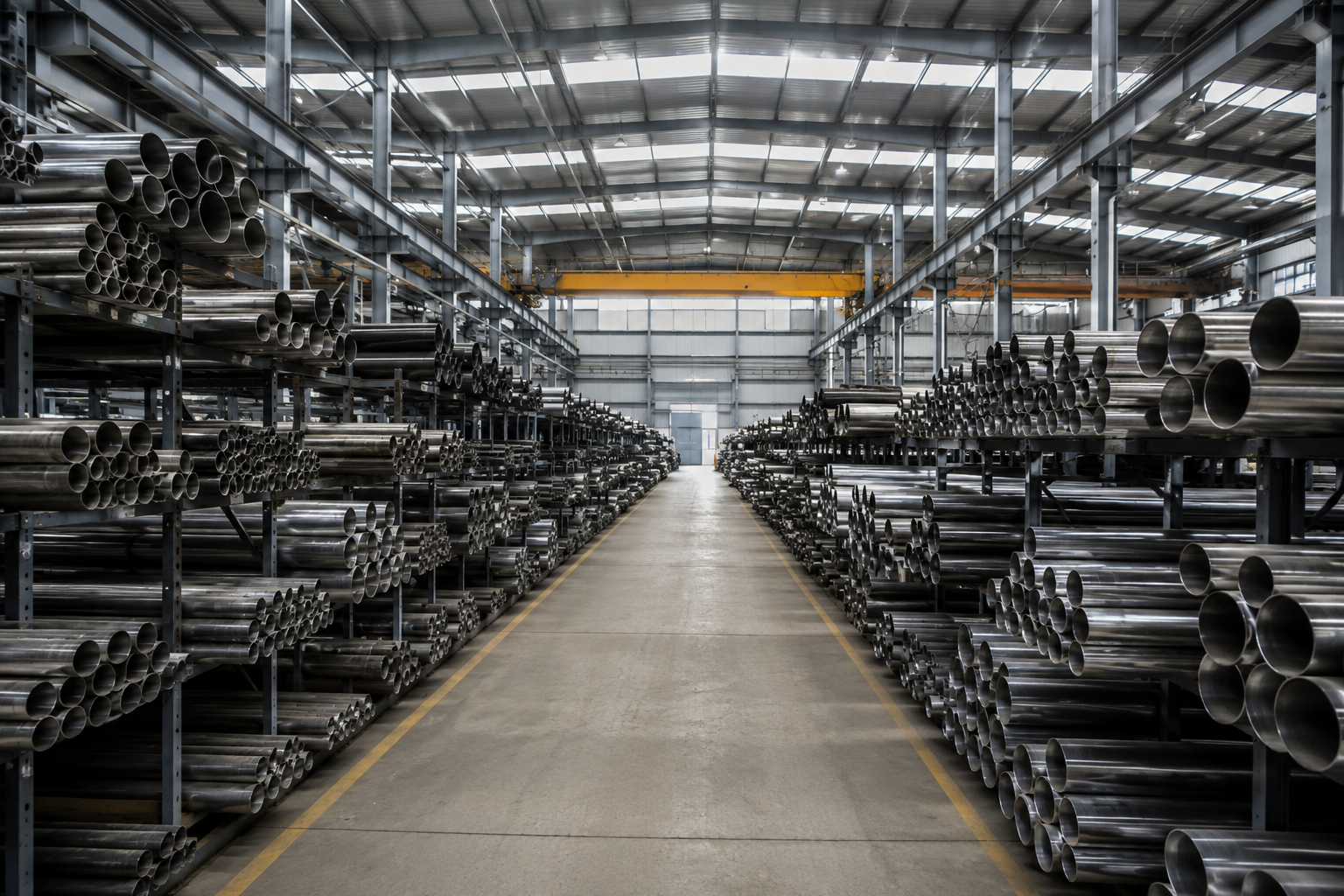
Visual comparison of SS 304 vs SS 316 stainless steel pipes, highlighting differences for the metal and steel industry.
Key Differences Between SS 304 and SS 316 Pipes
Understanding the difference between SS 304 and SS 316 pipe is essential for selecting the right material for various industrial applications in the metal and steel industry. Both types of stainless steel pipes are renowned for their excellent corrosion resistance, strength, and durability, making them suitable for environments where longevity and reliability are paramount. However, SS 316 contains molybdenum, which enhances its resistance to chlorides and harsh chemicals, making it particularly advantageous in marine, chemical processing, and pharmaceutical settings. In contrast, SS 304 is widely used due to its cost-effectiveness and suitability for general-purpose applications, including food processing, water supply, and architectural projects. These pipes also offer remarkable weldability and formability, contributing to their efficiency and ease of installation. Choosing the right alloy depends on the specific requirements of the project, such as exposure to corrosive agents and budget considerations.
The table below provides a concise summary of the technical specifications and key features of each type, helping you make an informed decision based on your application needs.
When evaluating the difference between SS 304 and SS 316 pipe, it is important to understand the key technical specifications that distinguish these widely used stainless steel alloys. Below is a comparative specification table highlighting the major attributes:
| Specification | SS 304 Pipe | SS 316 Pipe |
|------------------------------|--------------------------------------------|---------------------------------------------|
| Chemical Composition | 18-20% Cr, 8-10.5% Ni | 16-18% Cr, 10-14% Ni, 2-3% Mo |
| Corrosion Resistance | Good, suitable for general environments | Excellent, especially against chlorides |
| Molybdenum Content | None | 2-3% |
| Magnetic Properties | Non-magnetic in annealed condition | Non-magnetic in annealed condition |
| Typical Applications | Food processing, architectural, piping | Marine, chemical processing, pharmaceuticals |
| Operating Temperature Range | Up to 870°C (1598°F) | Up to 870°C (1598°F) |
| Weldability | Excellent | Excellent |
| Price | Lower compared to SS 316 | Higher due to molybdenum content |
| Pitting Resistance | Moderate | High (due to added molybdenum) |
Understanding these specifications helps users compare the difference between SS 304 and SS 316 pipe for various industrial applications. Selecting the appropriate alloy depends on specific performance requirements, particularly regarding corrosion resistance and cost.
Key Differences Between SS 304 and SS 316 Pipes
When selecting between SS 304 and SS 316 pipe, several practical factors should guide your decision to ensure optimal performance and cost-effectiveness. Both grades are renowned for their excellent corrosion resistance and mechanical properties, but their suitability varies depending on application environment and specific requirements.
Chemical Exposure: SS 316 pipe contains added molybdenum, enhancing its resistance to chlorides and harsh chemicals. This makes it ideal for marine, pharmaceutical, and food processing settings where corrosion risk is high.
Temperature Tolerance: Both grades perform well at elevated temperatures, but SS 316 offers slightly superior resistance to oxidation and scaling.
Budget Considerations: SS 304 is generally more affordable, making it a practical choice for less aggressive environments.
Maintenance: Regular inspection and cleaning help extend service life for either pipe, but SS 316 may require less frequent maintenance in demanding conditions.
Ultimately, understanding the difference between SS 304 and SS 316 pipe allows for informed decisions based on factors such as environment, required durability, and overall lifecycle costs.
Material Composition of SS 304 vs SS 316 Pipes
Understanding the difference between SS 304 and SS 316 pipe is crucial when selecting stainless steel pipes for various industrial applications. Both SS 304 and SS 316 are popular austenitic stainless steel grades, valued for their corrosion resistance and durability. However, their chemical composition and performance in certain environments can vary significantly.
The primary distinction lies in the addition of molybdenum to SS 316, which enhances its resistance to chloride corrosion and makes it better suited for marine or chemical processing environments. SS 304, while still highly resistant to rust and oxidation, is generally preferred for indoor or less aggressive settings due to its cost-effectiveness.
Below is a comparison table highlighting the key differences between SS 304 and SS 316 pipe:
Property
SS 304
SS 316
Chromium (%)
18-20
16-18
Nickel (%)
8-10.5
10-14
Molybdenum (%)
–
2-3
Corrosion Resistance
Good
Excellent (esp. chlorides)
Carefully evaluating these factors helps users make informed decisions about which stainless steel pipe grade best meets their project requirements.
Frequently Asked Questions
The main difference between SS 304 and SS 316 pipe lies in their chemical composition. SS 316 contains molybdenum, which enhances its corrosion resistance, especially against chlorides and marine environments, while SS 304 is more commonly used for general purposes due to its affordability.
SS 316 pipe is preferred in applications exposed to harsh chemicals, saltwater, or high-chloride environments due to its superior corrosion and pitting resistance, which is a result of its molybdenum content. This makes it ideal for marine, chemical processing, and pharmaceutical industries.
SS 304 pipes are commonly used in food processing, water supply, and architectural projects, while SS 316 pipes are often chosen for chemical processing, marine environments, medical devices, and industries requiring higher corrosion resistance.
SS 316 pipes generally cost more than SS 304 pipes due to the addition of molybdenum and higher nickel content, which improves corrosion resistance but increases material and production costs.
Both SS 304 and SS 316 pipes are manufactured according to ASTM A312 and A213 standards, which specify requirements for seamless, welded, and heavily cold worked austenitic stainless steel pipes used in high-temperature and general corrosive service.
Identification can be done through material markings on the pipe, chemical analysis, or magnetic testing. SS 304 and SS 316 appear similar, but only SS 316 contains molybdenum, which can be confirmed with a chemical test.
Both SS 304 and SS 316 pipes are low-maintenance due to their corrosion resistance. However, SS 316 requires less maintenance in aggressive environments. Regular cleaning and inspection help to ensure longevity and optimal performance.
Selection depends on the specific environment and application requirements. If the pipe will be exposed to corrosive chemicals or saltwater, SS 316 is recommended. For general, less demanding applications, SS 304 is often sufficient and more cost-effective.
Yes, both SS 304 and SS 316 pipes are available in various types such as seamless, welded, and ERW, and come in a wide range of diameters and wall thicknesses to suit diverse industrial applications.
SS 304 pipes are widely used in food and beverage, water treatment, and construction, while SS 316 pipes are popular in chemical processing, marine, pharmaceutical, and oil and gas industries due to their enhanced corrosion resistance.
Discover the Key Differences Between SS 304 and SS 316 Pipes
Explore in-depth comparisons, specifications, and expert insights on SS 304 vs SS 316 pipes. Find trusted suppliers, manufacturers, and service providers to help you make informed decisions for your next project.