Home / Industrial Pipes & Tubes / Alloy steel
Alloy steel
Alloy steel industrial pipes and tubes play a pivotal role in the metal and steel industry, offering enhanced strength, corrosion resistance, and durability for a variety of demanding applications. Discover how these versatile materials contribute to advanced engineering solutions across multiple sectors. Learn more about the benefits and uses of alloy steel pipes and tubes today.
Page Index
Alloy steel plays an essential role in the world of metal and steel, especially when it comes to manufacturing industrial pipes and tubes. By combining iron with different alloying elements such as chromium, nickel, or molybdenum, alloy steel gains improved properties like enhanced strength, durability, and resistance to corrosion. This makes it a preferred choice in various industries, from construction and automotive to energy and manufacturing, where reliable performance is crucial. Understanding the basics of alloy steel helps you make informed decisions about the types of materials best suited for your specific needs. In this introduction, we’ll explore what sets alloy steel apart from other metals and why it is so widely used in the production of pipes and tubes. Whether you’re new to metalworking or looking to deepen your knowledge, this overview will give you a solid foundation on the importance and applications of alloy steel in today’s industrial landscape.
Key Properties and Advantages of Alloy Steel
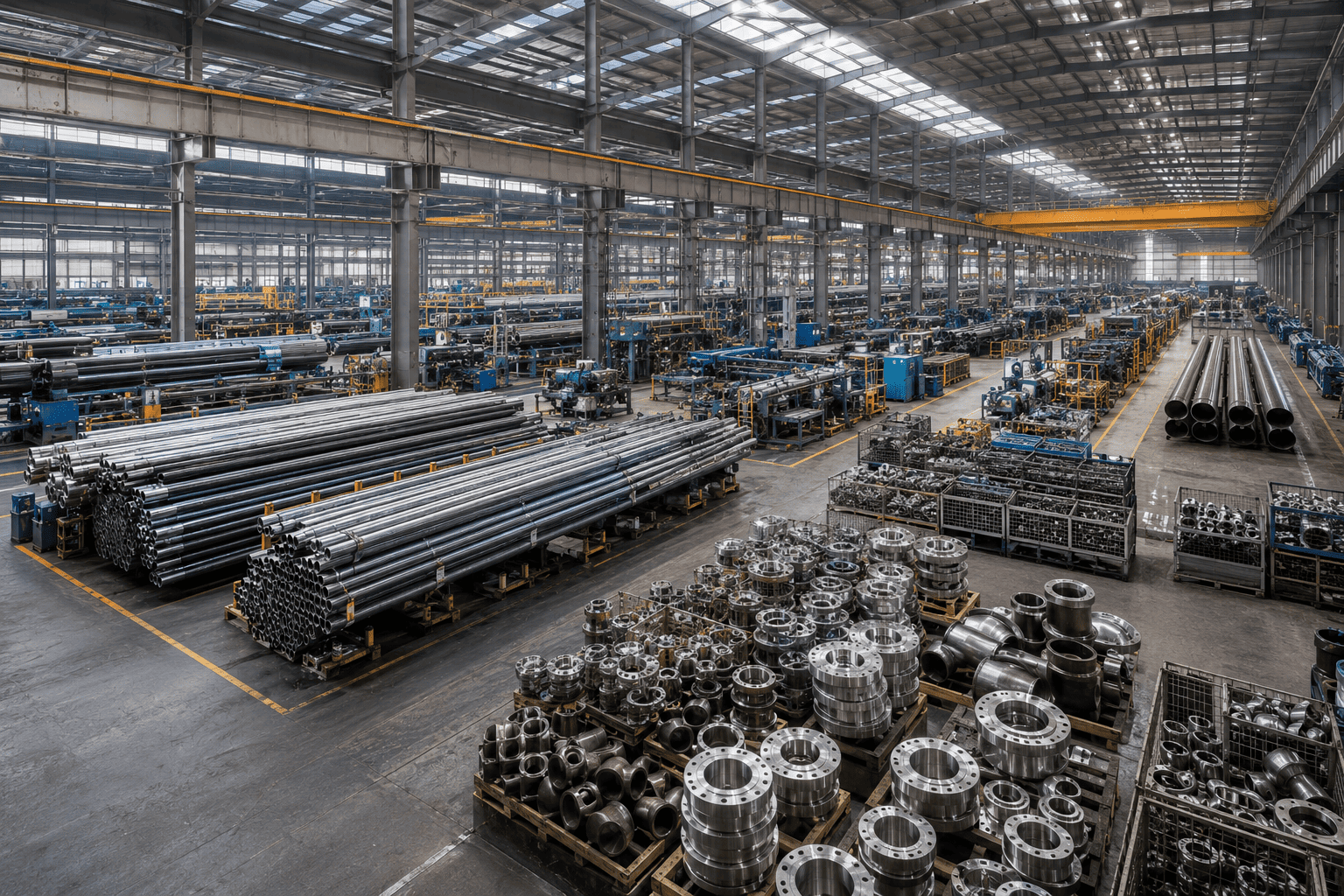
Alloy steel plays a crucial role in the metal and steel industry, offering enhanced strength, toughness, and resistance to wear compared to standard carbon steel. By incorporating elements such as chromium, nickel, molybdenum, and vanadium, this material achieves superior mechanical properties that make it highly suitable for demanding industrial applications. The product is widely utilized in the manufacturing of industrial pipes and tubes, automotive components, construction frameworks, and heavy machinery. One of the primary advantages of this alloy is its impressive durability, which ensures long service life and reduced maintenance costs. It also exhibits excellent performance in extreme temperatures and corrosive environments, making it a preferred choice for energy, oil and gas, and chemical processing sectors. Efficiency is further enhanced by its formability and weldability, allowing for versatile fabrication and installation.
To help you understand its suitability for various applications, the technical specifications and key features of alloy steel are outlined in the table below.
| Specification | Description |
|---|---|
| Base Elements | Primarily iron with significant additions of elements such as chromium, nickel, molybdenum, vanadium, and manganese |
| Common Forms | Seamless pipes, welded tubes, bars, sheets, and plates |
| Strength | High tensile and yield strength, depending on alloy composition and heat treatment |
| Corrosion Resistance | Improved resistance compared to carbon steel, especially in grades with higher chromium and nickel content |
| Hardness | Ranges from moderate to very high, adjustable via heat treatment and alloying elements |
| Heat Resistance | Excellent performance at elevated temperatures, suitable for high-temperature applications |
| Machinability | Varies by grade; some types are easy to machine, while others require specialized tooling |
| Weldability | Generally good, though certain grades may require preheating or post-weld heat treatment |
| Applications | Used in pressure vessels, power plants, oil & gas, automotive, construction, and machinery manufacturing |
This material is selected for its durability and performance in demanding industrial environments. When evaluating options for pipes and tubes, industry professionals consider factors such as composition, mechanical properties, and resistance to wear and corrosion. Alloy steel is often chosen when enhanced strength and longevity are required for critical applications.
Key Factors When Choosing Alloy Steel Pipes
- Types and Grades: Common varieties include low-alloy steels, which offer improved toughness, and high-alloy steels, which provide superior corrosion resistance and strength.
- Specifications and Standards: Adherence to standards such as ASTM, ASME, or EN ensures consistent quality and compatibility with global systems.
- Maintenance: Regular inspection for signs of wear, corrosion, or fatigue helps extend service life. Proper cleaning and protective coatings can further minimize deterioration.
Types and Grades of Alloy Steel Pipes
| Grade | Main Alloying Elements | Typical Application |
|---|---|---|
| 4130 | Chromium, Molybdenum | Aircraft, Oil & Gas |
| 4140 | Chromium, Molybdenum | Machinery, Tooling |
| 8620 | Nickel, Chromium, Molybdenum | Gears, Shafts |
Frequently Asked Questions
Find Trusted Alloy Steel Suppliers
Explore a vast network of alloy steel manufacturers and suppliers specializing in industrial pipes and tubes. Compare products, request quotes, and connect with reliable partners in the metal and steel industry to meet your project needs efficiently.