
Home / Industrial Pipes & Tubes / Carbon vs alloy steel
Carbon vs alloy steel
Comparing Carbon and Alloy Steel in the Metal & Steel Industry
Page Index
When it comes to choosing the right material for industrial pipes and tubes, understanding the difference between carbon steel and alloy steel is essential. Both types of steel play important roles in the metal and steel industry, offering unique properties and benefits depending on the application. Carbon steel is known for its strength and affordability, making it a popular choice for many standard uses. On the other hand, alloy steel contains added elements like chromium, nickel, or molybdenum, which can improve its durability, resistance to corrosion, and ability to withstand high temperatures. These differences can greatly impact the performance, lifespan, and cost of the pipes and tubes you select for your projects. In this introduction, we’ll explore the basics of carbon and alloy steel, helping you make an informed decision based on your specific needs. Whether you’re new to the industry or looking to refresh your knowledge, understanding these materials is the first step in choosing the best solution for your next industrial project.
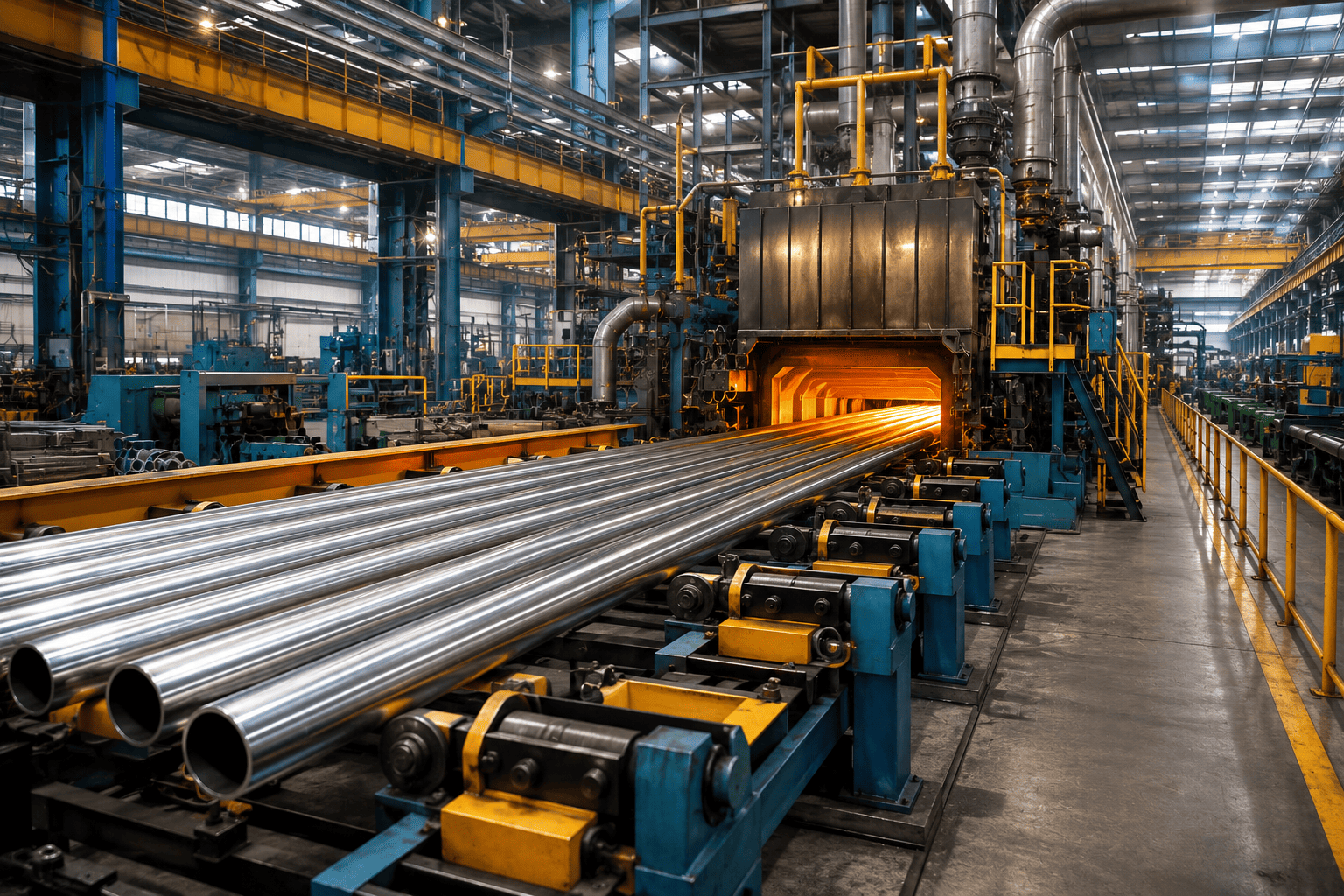
Key Differences Between Carbon and Alloy Steel
Understanding the differences between carbon vs alloy steel is essential in the Metal & Steel industry, especially when selecting the right material for industrial pipes and tubes. Carbon steel is known for its strength, affordability, and ease of welding, making it a popular choice for construction, pipelines, and general engineering applications. In contrast, alloy steel incorporates additional elements such as chromium, nickel, or molybdenum, which enhance properties like corrosion resistance, tensile strength, and ductility. This alloy is often preferred in demanding environments where higher performance or durability is required, such as in high-pressure systems, automotive parts, and power plants. The practical advantages of these materials include their efficiency in handling heavy loads, resistance to wear and tear, and long service life, which contribute to lower maintenance costs over time. The decision between carbon vs alloy steel depends on the specific requirements of the project, including mechanical strength, environmental exposure, and budget.
For a clearer understanding, the technical specifications and key features of these materials are summarized in the table below.
Understanding the differences between carbon steel and alloy steel is essential for selecting the right material for industrial pipe and tube applications. The table below highlights key technical specifications and attributes to help compare these materials effectively.
| Specification | Carbon Steel | Alloy Steel |
|---|---|---|
| Composition | Primarily iron and carbon | Iron, carbon, plus alloying elements such as chromium, nickel, and molybdenum |
| Tensile Strength | Moderate; increases with carbon content | Higher; can be tailored with alloying elements |
| Corrosion Resistance | Limited; prone to rust without protective coating | Enhanced, depending on alloying elements |
| Hardness | Varies with carbon content; generally lower than alloy steel | Higher; can be increased through heat treatment |
| Weldability | Generally good, especially in low-carbon grades | Varies; some grades require pre- or post-weld treatment |
| Ductility | Higher in low-carbon grades | Lower due to added alloying elements |
| Cost | Usually lower | Higher, due to additional alloying elements and processing |
| Application Examples | Pipelines, structural beams, automotive parts | Pressure vessels, power generation, high-stress components |
When comparing carbon vs alloy steel for pipes and tubes, factors such as mechanical strength, corrosion resistance, and intended usage should be considered to ensure optimal performance in industrial settings.
Key Differences Between Carbon and Alloy Steel
When selecting between carbon and alloy steel pipes and tubes, understanding the relevant standards and specifications is crucial for optimal performance and safety. Both materials are governed by internationally recognized standards—such as ASTM, ASME, and ISO—which define their composition, mechanical properties, and testing requirements.
For carbon steel pipes, common specifications include ASTM A106 (seamless), ASTM A53 (welded and seamless), and API 5L for line pipe applications. Alloy steel pipes, on the other hand, often reference ASTM A335 (seamless ferritic alloy steel for high-temperature service) and ASTM A213 for boiler and superheater tubes.
Choosing the right grade depends on factors like application temperature, pressure, corrosion resistance, and mechanical strength requirements. For example, alloy steel grades such as P11, P22, or P91 are preferred in high-pressure or high-temperature environments, while standard carbon steel is often suitable for ambient temperature and moderate service conditions. Always consult the relevant technical datasheets and industry codes to ensure compliance and optimal material selection for your project.
Key Differences in Material Composition and Grades
| Property | Carbon Steel | Alloy Steel |
|---|---|---|
| Main Alloying Elements | Iron, Carbon | Iron, Carbon, plus Chromium, Nickel, etc. |
| Strength | High | Very High |
| Corrosion Resistance | Moderate | Excellent (when alloyed with elements like chromium) |
| Cost | Lower | Higher |
| Common Uses | Pipes, Tubes, Structural Components | High-pressure Tubes, Heat Exchangers, Specialized Components |
Frequently Asked Questions
Compare Carbon and Alloy Steel Options
Discover the key differences between carbon and alloy steel for your industrial pipe and tube needs. Explore expert insights, compare material properties, and connect with trusted suppliers and manufacturers in the metal and steel industry.