
Home / Metal & Steel / Industrial Pipes & Tubes / What is API 5L standard
What is API 5L standard
Understanding the API 5L Standard in Metal & Steel
Page Index
If you’ve ever wondered how oil, gas, or water safely travels through long pipelines, the answer often involves the API 5L standard. Used widely in the metal and steel industry, API 5L is a set of guidelines developed by the American Petroleum Institute to ensure pipes and tubes meet specific quality and safety requirements. This standard helps manufacturers produce steel pipes that are strong, reliable, and capable of withstanding harsh conditions—whether buried underground or exposed to the elements. Understanding API 5L is important for anyone involved in construction, engineering, or energy projects, as it helps guarantee that the materials used are up to the task. In this article, we’ll explore what the API 5L standard is, why it matters, and how it plays a crucial role in the world of industrial pipes and tubes.
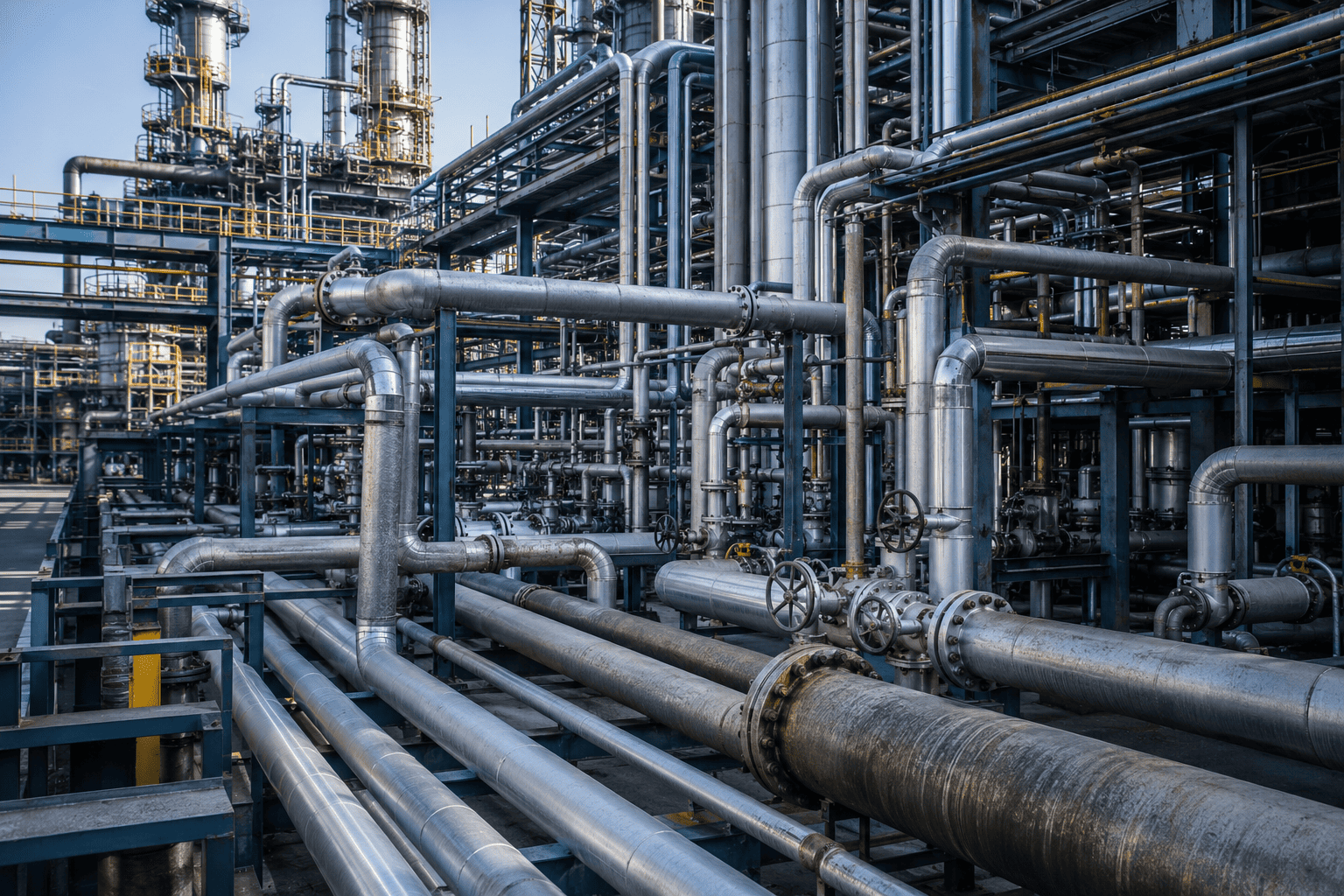
Overview of API 5L Standard Specifications
The API 5L standard is a globally recognized specification that plays a crucial role in the metal and steel industry, particularly for the manufacture of line pipes used in oil, gas, and water transportation. Developed by the American Petroleum Institute, this standard ensures that pipes meet stringent requirements for strength, toughness, and corrosion resistance, making them suitable for demanding applications in both onshore and offshore environments. The product is valued for its excellent mechanical properties, such as high tensile strength and durability, which contribute to its long service life and reliability under extreme conditions. Additionally, this material is available in various grades and specifications, allowing for flexibility in pipeline design and installation. The efficiency, cost-effectiveness, and ease of welding make this pipe a preferred choice for large-scale infrastructure projects worldwide. Understanding what is API 5L standard is essential for anyone involved in pipeline construction or maintenance, as compliance guarantees safe and efficient operation.
Below, you’ll find a summary table highlighting the key technical specifications and features associated with this standard.
The API 5L standard defines the requirements for seamless and welded steel pipes used primarily for the transportation of oil, gas, and water in the petroleum and natural gas industries. Understanding the key technical specifications of this pipe is essential for selecting the right material for various applications. The table below outlines commonly referenced attributes associated with API 5L standard-compliant pipes:
| Specification | Description |
|---------------------|-----------------------------------------------------------|
| Grades | X42, X46, X52, X56, X60, X65, X70, among others |
| Product Type | Seamless and welded (ERW, LSAW, SSAW) |
| Outside Diameter | Typically ranges from 1/2 inch to 48 inches |
| Wall Thickness | Varies according to schedule and application requirements |
| Material Composition| Carbon steel with controlled chemical composition |
| Pipe Ends | Plain end, beveled end, or threaded end |
| Delivery Condition | As rolled, normalized, or quenched and tempered |
| Application | Oil, gas, and water transmission pipelines |
| Hydrostatic Test | Each pipe undergoes pressure testing for integrity |
| Marking | Pipes are marked as per API 5L standard requirements |
These specifications help engineers and procurement specialists evaluate options when searching for information related to What is API 5L standard. Meeting this standard ensures the material's suitability for demanding industrial environments.
Understanding the API 5L Standard for Pipes
When selecting pipes conforming to the API 5L standard, several important factors should be considered to ensure suitability for specific applications. The two main product types are seamless and welded pipes, each offering unique advantages in terms of strength, cost, and application scope. API 5L pipes are further categorized into various grades such as Grade B, X42, X52, and up to X80, with higher grades indicating increased yield strength and suitability for demanding environments.
Key selection criteria include:
- Intended application: Consider whether the pipe will transport oil, gas, or water, as well as the operating pressure and temperature.
- Material grade: Choose a grade that matches the mechanical and chemical requirements of your project.
- Pipe dimensions: Length, diameter, and wall thickness must comply with design specifications and relevant safety standards.
- Coating and corrosion resistance: Assess environmental conditions to determine the need for protective coatings or enhanced corrosion resistance.
API 5L Pipe Grades and Material Specifications
The API 5L standard is a widely recognized specification developed by the American Petroleum Institute for steel pipes used in the transportation of oil, gas, and water in the petroleum and natural gas industries. It provides requirements for manufacturing two product specification levels (PSL1 and PSL2) of seamless and welded steel pipes, ensuring quality, consistency, and safety in pipeline projects.
API 5L pipes are classified into several grades based on their mechanical properties, chemical composition, and intended service environment. The standard covers a variety of sizes and wall thicknesses to accommodate diverse project needs. Below is a table summarizing some of the key API 5L pipe grades and their respective yield strengths:
Understanding the API 5L standard helps ensure the selection of the right pipe grade for safe and efficient pipeline construction.
| Grade | Minimum Yield Strength (MPa) | Product Form |
|---|---|---|
| API 5L X42 | 290 | Seamless/Welded |
| API 5L X52 | 360 | Seamless/Welded |
| API 5L X60 | 415 | Seamless/Welded |
| API 5L X65 | 450 | Seamless/Welded |
Frequently Asked Questions
The API 5L standard is a specification developed by the American Petroleum Institute for manufacturing seamless and welded steel pipes. These pipes are primarily used for transporting oil, gas, and water in the petroleum and natural gas industries.
API 5L covers two main product levels: PSL1 and PSL2. Both levels include seamless and welded steel pipes, but PSL2 has stricter chemical, mechanical, and testing requirements than PSL1, making it suitable for more demanding applications.
Pipes produced to the API 5L standard are commonly used in pipeline transportation systems for oil and natural gas industries. They are also utilized in water supply systems, structural applications, and various industrial processes requiring durable steel piping.
Pipes conforming to the API 5L standard offer high strength, excellent durability, and resistance to corrosion. They ensure consistent quality, compatibility with global pipeline systems, and compliance with international safety and performance requirements.
The API 5L standard includes several steel grades, such as Grade A, B, X42, X46, X52, X56, X60, X65, X70, and X80. Each grade specifies different mechanical properties to meet various operational and environmental demands.
Selecting the right API 5L pipe involves considering factors such as intended application, required mechanical strength, environmental conditions, pipe size, and grade. Consulting with a qualified engineer and referencing the API 5L specification ensures proper selection.
API 5L outlines rigorous testing and inspection procedures, including hydrostatic tests, non-destructive examinations, impact tests, and chemical analysis. These ensure the pipes meet specified mechanical properties and safety standards.
API 5L is specifically designed for pipeline transportation in the oil and gas sector, emphasizing strength, toughness, and weldability. Other standards, like ASTM or EN, may focus on different industries or application requirements.
Pricing of API 5L pipes depends on factors such as steel grade, pipe diameter and wall thickness, length, manufacturing process (seamless or welded), quality certifications, and current market demand for steel products.
The API 5L standard is most widely used in the oil and gas industry for pipeline construction. It is also utilized in water transmission, petrochemical, and infrastructure sectors where reliable steel piping is essential.
Discover the API 5L Standard for Industrial Pipes
Explore detailed insights on API 5L standards and connect with top-rated suppliers and manufacturers in the metal and steel industry. Compare specifications, certifications, and services to make informed decisions for your next project.