

Brain stroke recovery and rehabilitation is an important journey that helps people regain their independence and quality of life after experiencing a stroke. A stroke happens when the blood flow to a part of the brain is interrupted, causing brain cells to lose oxygen. This can lead to problems with movement, speech, memory, or other functions, depending on which part of the brain was affected. Recovery and rehab involve working with a team of healthcare professionals, such as neurologists, physical therapists, and occupational therapists, who use special exercises and activities to help patients relearn skills and adapt to new challenges. The recovery process is different for everyone and can take time, but with the right support and consistent effort, many people make meaningful progress. If you or a loved one is beginning the path to recovery after a stroke, understanding what to expect and the resources available can make a big difference. This page offers clear, reliable information to help guide you through the basics of stroke recovery and rehabilitation, so you can make informed decisions about the next steps.
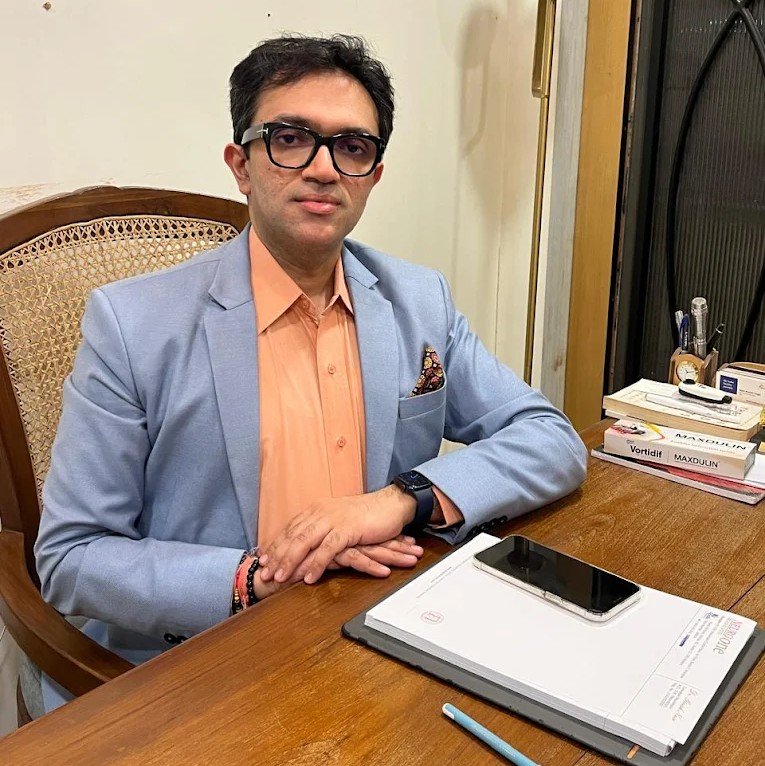
Stroke recovery and rehabilitation involve specialized therapy to help patients regain mobility and improve quality of life.
Recovery and Rehabilitation After Brain Stroke
Brain Stroke Recovery and Rehab refers to a comprehensive approach designed to help individuals regain function and improve quality of life following a stroke. This healthcare service addresses the physical, cognitive, and emotional challenges that often result from a stroke, which occurs when blood flow to the brain is interrupted, causing brain cells to die. Recovery and rehabilitation are crucial because early and consistent intervention can significantly enhance a patient’s ability to perform daily activities, communicate, and regain independence. The treatment typically involves a team of specialists—including physical therapists, occupational therapists, and speech-language pathologists—working together to create a personalized program. People who have experienced a stroke, regardless of age or severity of symptoms, may benefit from this specialty, especially if they are experiencing difficulties with movement, speech, or self-care. Brain Stroke Recovery and Rehab is usually recommended as soon as a patient is medically stable and can help with conditions like paralysis, muscle weakness, impaired speech, and cognitive challenges.
Common diagnostic tests, personalized therapy plans, and ongoing support play a vital role in achieving the best possible outcomes for stroke survivors.
Key Rehabilitation Methods for Brain Stroke Recovery
Recovery and Patient Care After a Brain Stroke
Recovering from a brain stroke involves a combination of medical treatment, rehabilitation, and ongoing support. The main goal is to help patients regain as much independence as possible and improve their quality of life. Rehab programs are tailored to each individual’s specific needs, taking into account the type and severity of the stroke.
Aspect
What to Expect
Physical Therapy
Helps restore movement, strength, and coordination.
Speech Therapy
Assists with speech, language, and swallowing difficulties.
Occupational Therapy
Focuses on daily living skills (dressing, eating, bathing).
Emotional Support
Counseling and support groups to address mood changes or depression.
Family involvement and regular follow-ups play a critical role in the brain stroke recovery and rehab process. It is important to set realistic goals, be patient with progress, and communicate regularly with your healthcare team. If new symptoms arise or recovery seems to stall, seek medical advice promptly.
Lifestyle Recommendations for Stroke Recovery Success
Long-term management and self-care are essential components of successful brain stroke recovery. While medical professionals and rehabilitation teams play a key role, ongoing recovery largely depends on the patient’s daily habits and commitment to healthy living.
Here are some practical self-care and lifestyle recommendations to support recovery after a brain stroke:
Medication adherence: Take all prescribed medications consistently to reduce the risk of recurrent strokes.
Regular exercise: Gentle physical activity, as recommended by your rehab team, can improve mobility, circulation, and overall well-being.
Healthy diet: Focus on a diet rich in fruits, vegetables, lean proteins, and whole grains to support brain health and manage blood pressure.
Monitor risk factors: Keep blood pressure, cholesterol, and blood sugar levels within recommended ranges. Attend all follow-up appointments with your healthcare providers.
Emotional support: Seek counseling or join support groups if you experience anxiety, depression, or frustration during recovery.
Brain Stroke Recovery And Rehab emphasizes that small, consistent changes can make a significant difference in preventing future strokes and improving long-term outcomes. Always consult your healthcare team before making major lifestyle changes.
Frequently Asked Questions
Brain stroke recovery and rehabilitation is a personalized process focused on helping stroke survivors regain lost skills, improve independence, and enhance quality of life. It may include physical therapy, occupational therapy, speech therapy, and emotional support to address the effects of a stroke.
Recovery time after a brain stroke varies widely, depending on the stroke’s severity, the area of the brain affected, and individual health factors. Some people notice improvements within weeks, while others may need months or years of rehabilitation.
Common post-stroke symptoms include muscle weakness, difficulty speaking or understanding speech, memory problems, balance issues, and emotional changes. The specific symptoms depend on which part of the brain was affected.
Stroke rehabilitation often includes physical therapy to restore movement, occupational therapy for daily tasks, speech and language therapy, and psychological counseling. The combination of therapies is tailored to each patient’s unique needs.
Preventing a second stroke involves managing risk factors such as high blood pressure, diabetes, and high cholesterol. Adopting a healthy lifestyle—eating a balanced diet, exercising regularly, quitting smoking, and taking prescribed medications—plays a crucial role.
Immediate medical attention is needed if new or worsening symptoms appear, such as sudden weakness, confusion, speech difficulty, severe headache, or loss of balance. These could indicate another stroke or complications requiring urgent care.
Healthcare providers may use brain imaging tests like MRI or CT scans, blood tests, and neurological assessments to monitor progress and detect complications during stroke recovery and rehabilitation.
Yes, stroke survivors are often advised to follow a heart-healthy diet, stay physically active, avoid smoking and excessive alcohol, manage stress, and adhere to prescribed medications to support recovery and reduce future stroke risk.
Not all lost functions can be fully restored after a stroke, but rehabilitation maximizes recovery potential. Many people regain significant abilities over time, especially with early and consistent therapy tailored to their needs.
Caregivers and family members provide essential support during stroke recovery. They help with daily activities, encourage participation in therapy, monitor health changes, and offer emotional support, all of which contribute to better outcomes.
Find Expert Care for Brain Stroke Recovery and Rehab
Explore reliable information on stroke rehabilitation, compare qualified neurologists and rehab specialists, and make confident healthcare choices. Empower your recovery journey with the right knowledge and provider options for optimal brain health.