
Home / Chromoly Pipes & Tubes / Bulk steel tubing purchase
Bulk steel tubing purchase
Explore the advantages of bulk steel tubing purchase for Chromoly pipes and tubes, widely recognized in the metal and steel industry for their strength, durability, and versatility. These materials are ideal for commercial and global applications, meeting the demands of various sectors. Interested in learning more or making an enquiry? Start your process today.
Page Index
When it comes to sourcing materials for large-scale projects, purchasing steel tubing in bulk is a smart and cost-effective choice for businesses across the metal and steel industry. Steel tubing, especially chromoly pipes and tubes, is essential for a wide range of applications—from construction and manufacturing to automotive and industrial equipment. By buying in bulk, companies can ensure consistent quality, reliable supply, and competitive pricing, which are all crucial for maintaining project timelines and budgets. Whether you’re looking to meet the demands of a growing production schedule or want to streamline your supply chain, understanding the best practices for bulk steel tubing purchases can make a significant difference. In this guide, we’ll cover what you need to know before making a purchase, helping you navigate options, specifications, and supplier relationships to find the right fit for your unique requirements.
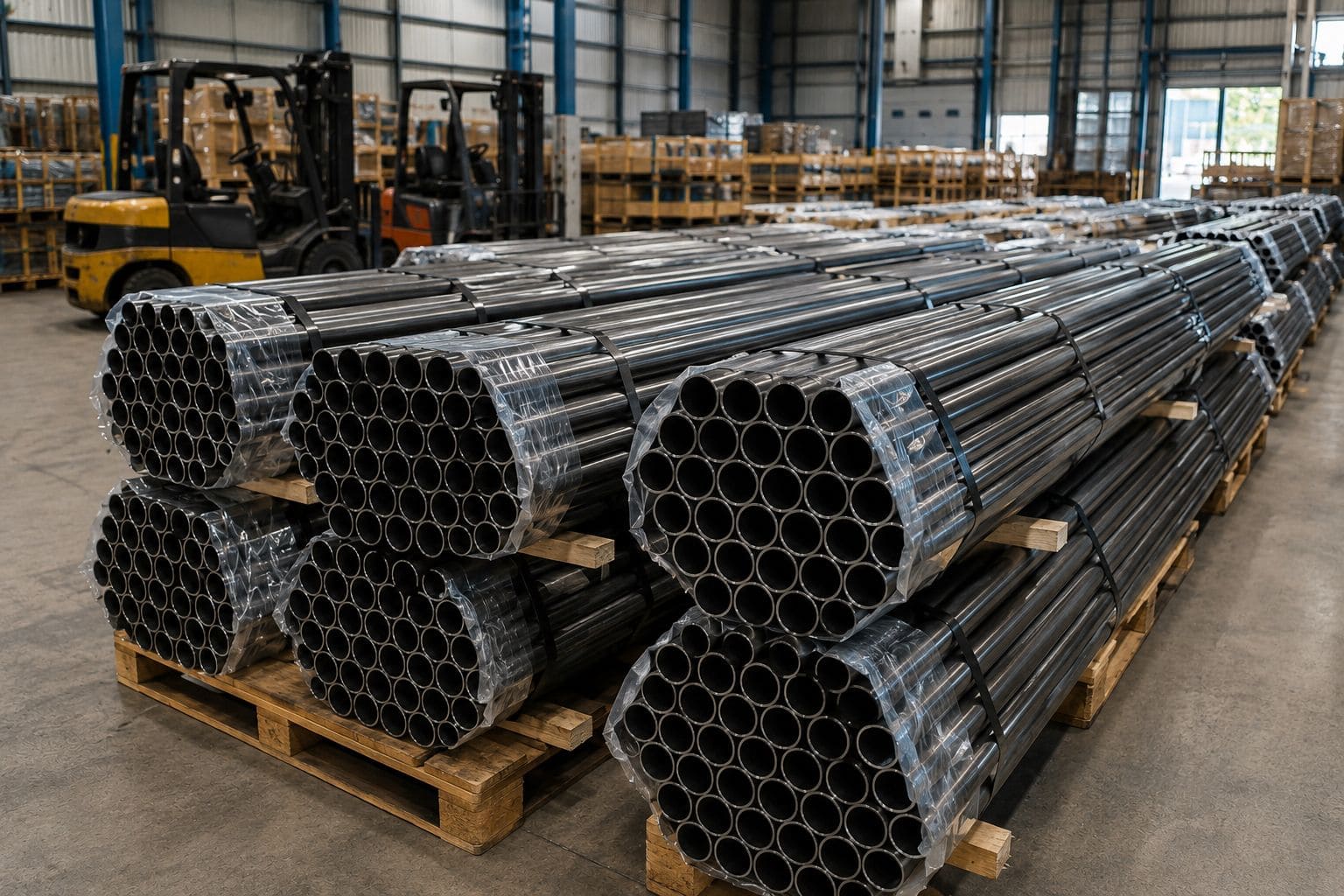
Key Benefits of Bulk Steel Tubing
Steel tubing is widely used in construction, automotive, and industrial applications due to its strength and versatility. When considering options for bulk steel tubing purchase, it is important to review key technical specifications to ensure the product meets project requirements. Below is a typical technical specification table for steel tubing:
| Attribute | Specification/Description |
|---|---|
| Material Grade | Commonly ASTM A500, A513, or A106; also 4130 Chromoly |
| Outer Diameter Range | Typically 1/2" to 12" (varies based on application) |
| Wall Thickness | Standard, heavy, or custom gauge (e.g., SCH 40/80) |
| Surface Finish | Hot rolled, cold rolled, pickled, or galvanized |
| Length | Standard lengths up to 24 ft; custom lengths available |
| Shape | Round, square, or rectangular |
| Tolerance | As per ASTM/industry standards |
| Corrosion Resistance | Varies; enhanced with coatings or alloy composition |
| Tensile Strength | Depends on grade; typically 45,000 to 80,000 psi |
Understanding these attributes helps businesses make informed decisions when evaluating bulk steel tubing purchase options. The specifications listed above can vary depending on the intended use and industry standards, so verifying requirements against this material's properties is essential for optimal performance.
Steel tubing is widely used in construction, automotive, and industrial applications due to its strength, versatility, and durability. When considering a bulk steel tubing purchase, it is important to review technical specifications to select the most suitable product for your needs. The following table outlines key attributes typically associated with steel tubing for industrial and structural use.
| Specification | Description |
|---|---|
| Material Grade | Common grades include ASTM A513, ASTM A500, and 4130 Chromoly alloy |
| Outer Diameter Range | Typically from 6 mm (0.25 in) up to 610 mm (24 in) |
| Wall Thickness | Thin, medium, and heavy wall options available; precise values depend on application and standard |
| Shape | Round, square, and rectangular profiles |
| Surface Finish | Hot rolled, cold drawn, galvanized, or powder coated |
| Length Options | Standard lengths (6 m, 12 m) or custom cut-to-length |
| Tensile Strength | Varies by alloy and manufacturing process; ranges from 350 MPa to over 800 MPa for high-strength materials |
| Corrosion Resistance | Enhanced through coatings like galvanization or by using specific alloys |
| Weldability | Most steel tubing, including chromoly, is suitable for welding with appropriate techniques |
Reviewing these specifications can help businesses and engineers make informed decisions when evaluating options for a bulk steel tubing purchase. This material’s adaptability and range of available configurations ensure it meets diverse industrial requirements.
How to Choose Bulk Steel Tubing
- Grade and Alloy: Determine the required mechanical properties, such as tensile strength and hardness, and select the appropriate chromoly grade (e.g., 4130, 4140) for your project.
- Size and Wall Thickness: Assess the dimensional requirements and ensure the tubing matches load-bearing and pressure specifications.
- Certifications: Look for compliance with standards like ASTM, ASME, or ISO to guarantee quality and safety.
- Surface Finish: Choose between hot-rolled, cold-drawn, or coated finishes based on corrosion resistance and fabrication needs.
Types and Grades of Steel Tubing
| Grade | Yield Strength (MPa) | Standard | Main Component |
|---|---|---|---|
| ASTM A513 | 310–450 | ASTM | Carbon Steel |
| ASTM A519 | 485–585 | ASTM | Chromoly |
| EN 10210 S355J2H | 355 | EN | Low Alloy Steel |
Frequently Asked Questions
Find Trusted Suppliers for Bulk Steel Tubing
Explore a wide range of chromoly pipes and tubes from reputable manufacturers and suppliers. Compare options, request quotes, and connect with the right partners to streamline your bulk steel tubing purchase today.