
Home / Chromoly Pipes & Tubes / Seamless tubing manufacturing process
Seamless tubing manufacturing process
Explore the seamless tubing manufacturing process for Chromoly pipes and tubes, vital components in the metal and steel industry. Understand how advanced methods ensure durability, high strength, and reliability in various applications. For an in-depth look at each production stage and its benefits, discover more about seamless tubing now.
Page Index
Seamless tubing plays a vital role in the metal and steel industry, especially when it comes to applications that demand strength, precision, and reliability. Unlike welded tubes, seamless tubes are manufactured without any joints or seams, which means they can handle higher pressures and offer greater structural integrity. The process of making these tubes is both fascinating and highly specialized, involving the transformation of solid steel billets into hollow tubes through a series of controlled steps. This method not only ensures uniformity in thickness but also enhances the tube’s durability and performance in demanding environments. Whether used in automotive parts, industrial equipment, or energy sectors, seamless tubing is trusted for its consistent quality and versatility. Understanding how seamless tubing is made helps us appreciate the technology and craftsmanship behind the products that keep many industries running smoothly.
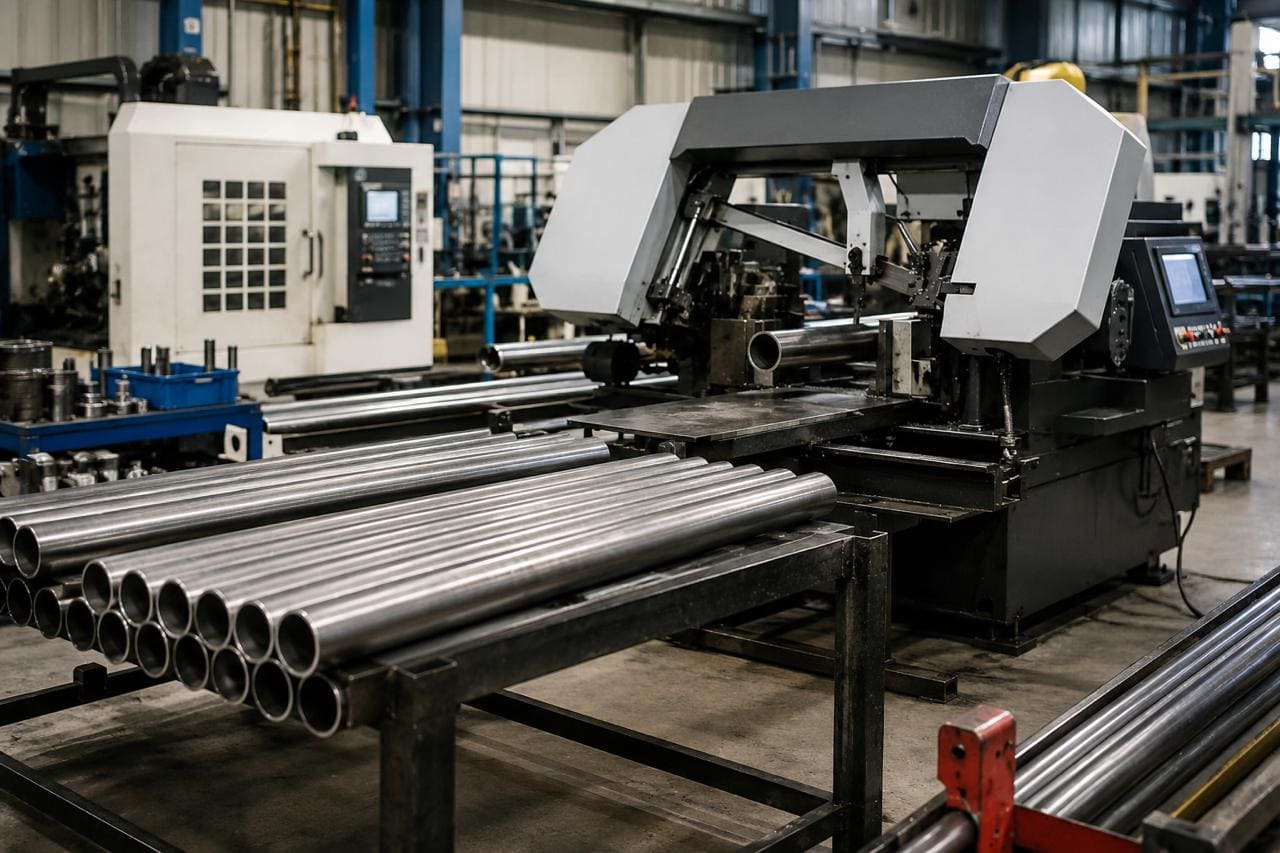
Key Steps in Seamless Tubing Manufacturing Process
Seamless tubing is produced using a process that eliminates welded joints, resulting in a uniform structure ideal for high-pressure and critical applications. The seamless tubing manufacturing process typically involves steps such as billet heating, piercing, elongation, and sizing, ensuring precise dimensional control and superior material integrity. Below is a technical specification table highlighting key attributes associated with seamless tubing:
| Specification | Description |
|---|---|
| Material Grades | Carbon steel, alloy steel (e.g., chromoly), stainless steel |
| Outer Diameter Range | 6 mm – 168 mm (varies by specification) |
| Wall Thickness | 0.5 mm – 20 mm (common industry range) |
| Manufacturing Standards | ASTM A213, ASTM A335, DIN 2391, EN 10216 |
| Surface Finish | Annealed, pickled, polished, or as rolled |
| Length | Custom lengths up to 12 meters typically |
| Tolerances | Tight dimensional tolerances as per application |
| Testing Methods | Non-destructive testing (NDT), hydrostatic, ultrasonic |
| Applications | High-pressure, automotive, petrochemical, and mechanical sectors |
When evaluating seamless tubing manufacturing process options, it is important to consider these technical specifications to ensure the product meets the required standards and application demands.
The seamless tubing manufacturing process is essential for producing high-strength, high-performance pipes and tubes, particularly in demanding metal and steel applications. This method eliminates the need for welded seams, enhancing the product's structural integrity and reducing potential points of weakness. Below is a technical specification table highlighting key attributes relevant to this material and process:
| Specification | Description |
|---|---|
| Material Options | Alloy steel, carbon steel, stainless steel, chromoly (chromium-molybdenum alloys) |
| Outer Diameter Range | Typically 6 mm to 660 mm |
| Wall Thickness | 1 mm to 50 mm, depending on application |
| Manufacturing Methods | Hot extrusion, rotary piercing, cold drawing |
| Surface Finish | Pickled, polished, or as-rolled |
| Dimensional Tolerances | As per ASTM/ASME standards |
| Mechanical Properties | High tensile strength, excellent fatigue resistance |
| Applications | Oil & gas, automotive, power generation, construction, and aerospace industries |
| Testing Standards | Hydrostatic, eddy current, ultrasonic inspection |
| Length Availability | Custom cut lengths or standard up to 12 meters |
Understanding these specifications is important for businesses evaluating the seamless tubing manufacturing process for critical applications or when comparing supplier options in the metal and steel sector.
How to Evaluate Seamless Tubing Manufacturing Processes
- Material composition: Chromoly (chromium-molybdenum) alloys are popular for their excellent strength-to-weight ratio and resistance to high temperatures and corrosion.
- Size and wall thickness: Determine the internal and external diameters, as well as required wall thickness, based on operational pressure and flow requirements.
- Mechanical properties: Examine yield strength, tensile strength, and elongation to ensure the tubing meets specific application demands.
- Industry standards: Verify compliance with international specifications such as ASTM A213, A335, or equivalent, to guarantee quality and compatibility.
- Surface finish: Smooth finishes help minimize friction and resist scaling or fouling in fluid transport applications.
- End connections: Consider whether the application requires plain, threaded, or flanged ends for seamless installation.
Key Quality Considerations for Seamless Tubing
| Grade | Standard | Diameter Range (mm) | Wall Thickness (mm) |
|---|---|---|---|
| 4130 | ASTM A519 | 10–168 | 1.5–12 |
| 4140 | EN 10297-1 | 15–120 | 2–10 |
Frequently Asked Questions
Discover Leading Seamless Tubing Manufacturers
Explore the seamless tubing manufacturing process and connect with top Chromoly pipes & tubes suppliers in the metal & steel industry. Compare capabilities and request information to find the right partner for your next project.