
Home / Chromoly Pipes & Tubes / Chromium molybdenum steel grades
Chromium molybdenum steel grades
Discover the essential properties and applications of Chromium molybdenum steel grades, commonly known as Chromoly pipes and tubes, in the metal and steel industry. Learn how these high-strength alloys deliver exceptional performance under extreme conditions. Explore the benefits and standards of Chromoly materials. Get more details about Chromoly pipes and tubes today.
Page Index
Chromium molybdenum steel grades, often known as chromoly, are highly valued in the metal and steel industry for their excellent strength, toughness, and resistance to wear. These unique steel grades combine the benefits of chromium and molybdenum, making them a popular choice for demanding applications such as oil and gas pipelines, power generation, and heavy machinery. Chromoly pipes and tubes, in particular, are widely used where both durability and the ability to withstand high temperatures and pressures are essential. Understanding the different grades and their properties can help businesses and individuals select the right material for their specific needs. In this introduction, we’ll take a closer look at what makes chromium molybdenum steel grades stand out, why they are trusted by professionals in the metal and steel sector, and how their characteristics support a wide range of industrial uses.
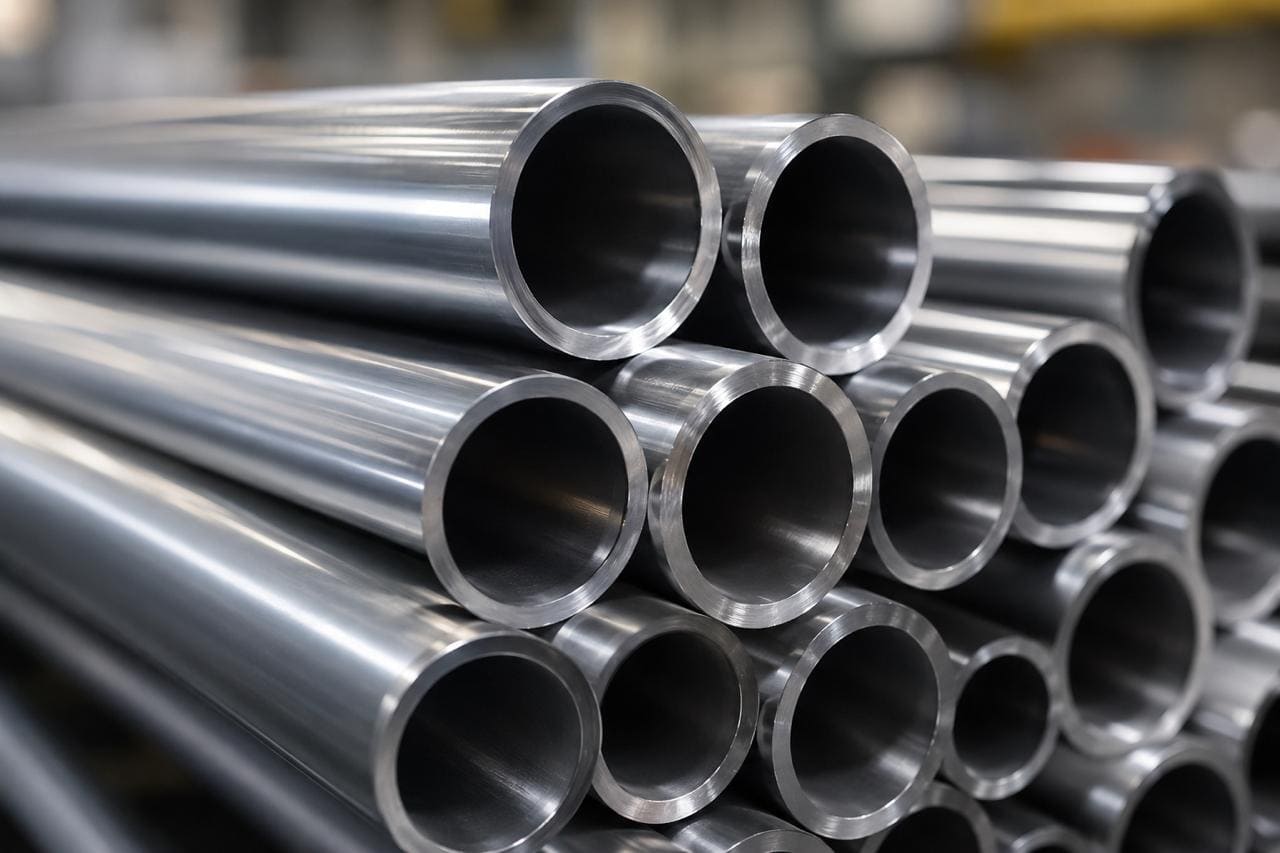
Key Properties of Chromium Molybdenum Steel Grades
Chromium molybdenum steel, commonly referred to as chromoly, is a family of low alloy steels that incorporate chromium and molybdenum as strengthening agents. These alloys are widely used in high-temperature and high-pressure applications due to their excellent mechanical properties and resistance to corrosion and oxidation. Below is a technical specification table highlighting key attributes of this material:
| Attribute | Typical Value/Description |
|---|---|
| Main Alloying Elements | Chromium (0.5–1.5%), Molybdenum (0.2–1.0%) |
| Common Standards | ASTM A335, ASTM A213, EN 10216-2 |
| Tensile Strength | 415–860 MPa (varies by grade) |
| Yield Strength | 205–690 MPa (varies by grade) |
| Elongation | 20–30% (in 50 mm) |
| Operating Temperature | Up to 600°C (depending on grade and application) |
| Hardness | 143–241 HB (Brinell, typical range) |
| Weldability | Good; preheat and post-weld heat treatment recommended |
| Corrosion Resistance | Enhanced compared to carbon steel |
| Typical Applications | Power generation, pressure vessels, petrochemicals |
When evaluating supplier options or comparing technical datasheets, understanding the typical properties of chromium molybdenum steel grades is essential for selecting the right material for demanding environments.
Chromium molybdenum steel grades are widely recognized for their enhanced mechanical properties and suitability in demanding environments. This alloy, commonly used in pipes and tubes for high-pressure applications, offers a balance of strength, toughness, and resistance to wear. Below is a technical specification table highlighting key attributes typically associated with this material:
| Attribute | Description |
|---|---|
| Standard Designations | ASTM A335, ASTM A213, EN 10216-2, ASME SA335 |
| Chemical Composition | Chromium (Cr): 0.5–2.5%, Molybdenum (Mo): 0.5–1.0%, with varying Carbon, Manganese, Phosphorus, Sulfur |
| Tensile Strength | Typically 415–585 MPa, depending on grade |
| Yield Strength | Minimum 205–415 MPa, grade-dependent |
| Temperature Resistance | Suitable for elevated temperatures up to 600°C (1112°F) |
| Corrosion Resistance | Improved resistance to oxidation and sulfidation |
| Weldability | Generally good, with preheating often recommended |
| Common Forms | Seamless pipes, tubes, and fittings |
| Applications | Power generation, petrochemical, oil & gas, boiler tubes |
When evaluating Chromium molybdenum steel grades for specific projects, it is important to review detailed specifications and standards to ensure compatibility with the intended application.
How to Select Chromium Molybdenum Steel Grades
- Mechanical Strength: Assess the required tensile strength, yield strength, and impact resistance for your application.
- Temperature Resistance: Determine if the alloy needs to withstand high-temperature service or thermal cycling.
- Corrosion & Oxidation: Evaluate exposure to aggressive chemicals or oxidizing environments.
- Weldability & Formability: Some grades are easier to weld or form without compromising structural integrity.
- Industry Standards: Ensure compatibility with relevant ASME, ASTM, or EN standards for safety and compliance.
Types and Grades of Chromium Molybdenum Steel
| Grade | Chromium (%) | Molybdenum (%) | Carbon (%) |
|---|---|---|---|
| SA 335 P5 | 4.00–6.00 | 0.45–0.65 | 0.15 max |
| SA 335 P9 | 8.00–10.00 | 0.90–1.10 | 0.15 max |
| SA 335 P11 | 1.00–1.50 | 0.44–0.65 | 0.15 max |
Frequently Asked Questions
Discover Leading Chromium Molybdenum Steel Grades
Explore a comprehensive range of Chromoly pipes and tubes tailored for the metal and steel industry. Compare specifications, connect with trusted suppliers, and find the right solutions for your projects today.