
Home / Chromoly Pipes & Tubes / Chromoly steel strength specifications
Chromoly steel strength specifications
Discover comprehensive insights into Chromoly steel strength specifications, tailored for Chromoly pipes and tubes within the metal and steel industry. Learn about key mechanical properties, durability factors, and industry standards to help inform your material selection decisions. Explore further details and technical data by accessing the full specifications guide below.
Page Index
Chromoly steel is well-known in the metal and steel industry for its impressive strength and reliability. You might have heard of it in discussions about durable bike frames, race car parts, or even aircraft components. But what exactly makes chromoly steel stand out, and why is it chosen for high-performance applications? This introduction will help you understand the key strength specifications of chromoly steel and why it’s favored in demanding environments. We’ll explore how the unique blend of chromium and molybdenum gives chromoly its toughness, and what these specifications mean in practical terms for those who work with or depend on strong, long-lasting metal products. Whether you’re new to the world of metal alloys or looking to deepen your understanding, this guide will provide clear, helpful information about what sets chromoly steel apart in the industry.
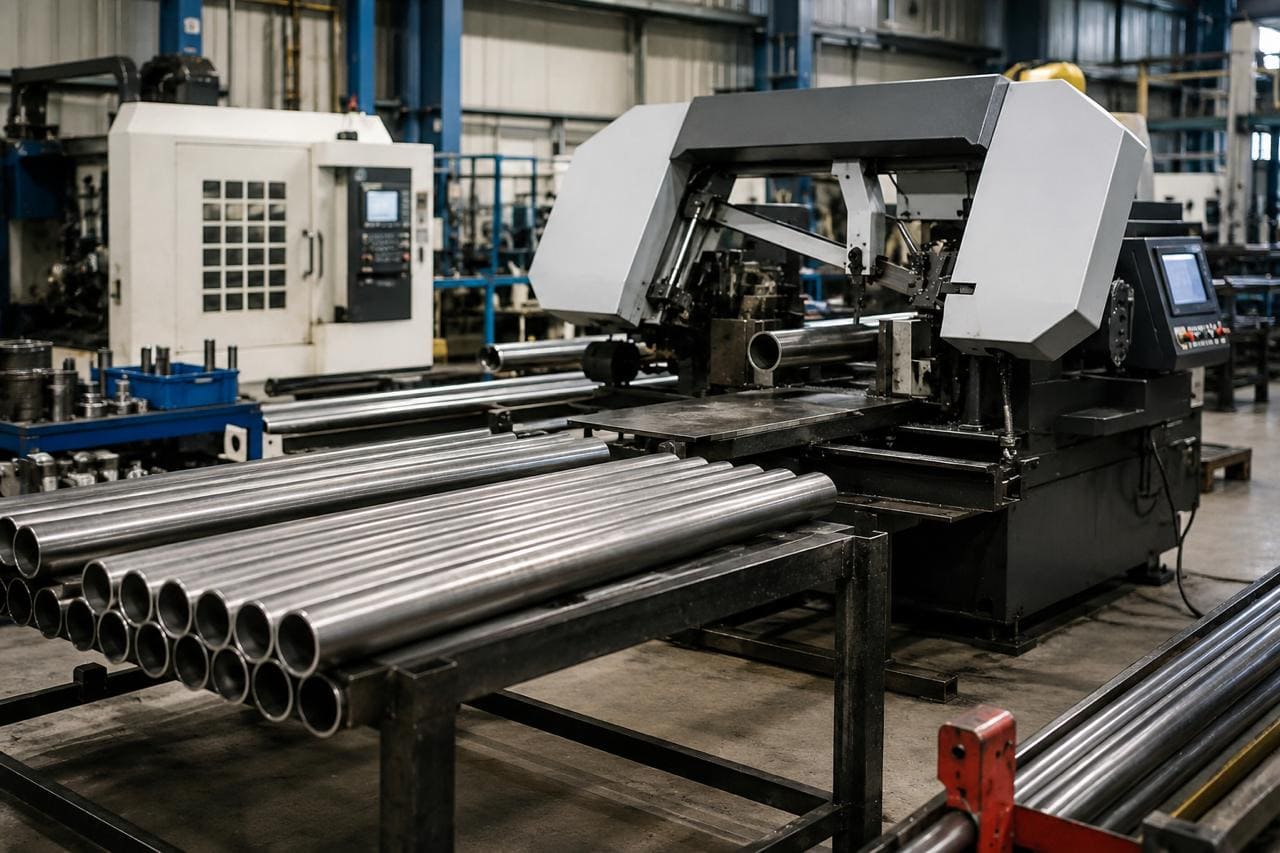
Understanding Chromoly Steel Strength Specifications
| Attribute | Specification |
|---|---|
| Material Composition | Alloy steel containing chromium (0.8–1.1%) and molybdenum (0.15–0.25%) |
| Tensile Strength | Typically 850–1000 MPa (varies by grade and heat treatment) |
| Yield Strength | Generally 650–850 MPa |
| Elongation | Minimum 10–20% (depends on product form and processing) |
| Hardness | Rockwell C 20–35 (varies with condition and temper) |
| Density | Approximately 7.85 g/cm³ |
| Impact Resistance | Good toughness even at low temperatures, suitable for demanding applications |
| Weldability | Generally good, but preheat and post-weld heat treatment are recommended |
| Corrosion Resistance | Higher than carbon steel due to chromium content, but not stainless |
| Common Applications | Automotive roll cages, bicycle frames, aerospace structures, pressure vessels |
Chromoly steel is valued in the metal and steel industry for its balance of strength, toughness, and ductility. When sourcing materials or evaluating Chromoly steel strength specifications, consider how these attributes align with the demands of your project or application. This alloy is widely used where performance and reliability are essential.
Chromoly steel, an alloy of chromium and molybdenum with steel, is widely used in the metal and steel industry for applications requiring high strength-to-weight ratios and excellent durability. The following technical specification table outlines key properties commonly referenced when evaluating Chromoly steel for industrial piping and tubing. These attributes ensure suitability for demanding mechanical and structural environments.
| Specification | Typical Value/Description |
|---|---|
| Grade | 4130, 4140 (most common grades) |
| Tensile Strength | 560–980 MPa (varies by heat treatment) |
| Yield Strength | 460–850 MPa |
| Elongation at Break | 20–25% |
| Hardness (Brinell) | 197–235 HB |
| Density | 7.85 g/cm³ |
| Chromium Content | 0.8–1.1% |
| Molybdenum Content | 0.15–0.25% |
| Weldability | Good, but preheat/post-weld heat treatment recommended |
| Impact Resistance | Excellent, especially at low temperatures |
When comparing Chromoly steel strength specifications for different projects, consider the grade, heat treatment, and intended use to ensure the material meets performance requirements. This alloy is preferred in environments where both toughness and resistance to wear are critical.
Understanding Chromoly Steel Strength Specifications
- Intended Use: High-stress environments like automotive roll cages or pressure vessels require higher strength specifications.
- Wall Thickness & Diameter: These affect both overall strength and weight, which are critical in structural and aerospace applications.
- Compliance with Standards: Look for adherence to ASTM, ASME, or EN standards, as these define mechanical properties and performance benchmarks.
- Weldability and Machinability: Some grades are easier to fabricate, an important consideration for custom or complex assemblies.
Types and Grades of Chromoly Steel Alloys
| Grade | Tensile Strength (MPa) | Yield Strength (MPa) | Elongation (%) |
|---|---|---|---|
| 4130 | 560–700 | 460 | 21 |
| 4140 | 655–980 | 415–655 | 20 |
Frequently Asked Questions
Discover Chromoly Steel Strength Specifications
Explore comprehensive strength data for Chromoly pipes and tubes. Compare specifications, connect with trusted suppliers, and find the right solutions for your metal and steel requirements. Make informed decisions with detailed industry insights tailored to your needs.