
Home / Chromoly Pipes & Tubes / Chromoly Tubing Manufacturers
Chromoly Tubing Manufacturers
Discover the advantages of Chromoly tubing and pipes in the metal and steel industry. Leading manufacturers offer a variety of Chromoly products known for their strength, durability, and versatility, ideal for commercial applications worldwide. Explore specifications, applications, and sourcing options for your next project. Get details or request a quote today.
Page Index
When it comes to sourcing high-performance materials for demanding applications, choosing the right chromoly tubing manufacturer is essential. Chromoly tubing, made from a blend of chromium and molybdenum, is well-known in the metal and steel industry for its impressive strength-to-weight ratio and durability. This makes it a popular choice for industries like automotive, aerospace, construction, and even cycling. With a wide range of manufacturers competing globally, it’s important to understand what sets leading chromoly tubing producers apart—such as their commitment to quality, consistency, and innovation. In this guide, we’ll introduce you to top chromoly tubing manufacturers and help you navigate the key factors to consider when making a purchase. Whether you need standard sizes or custom solutions, finding a reliable supplier is the first step toward success in your projects.
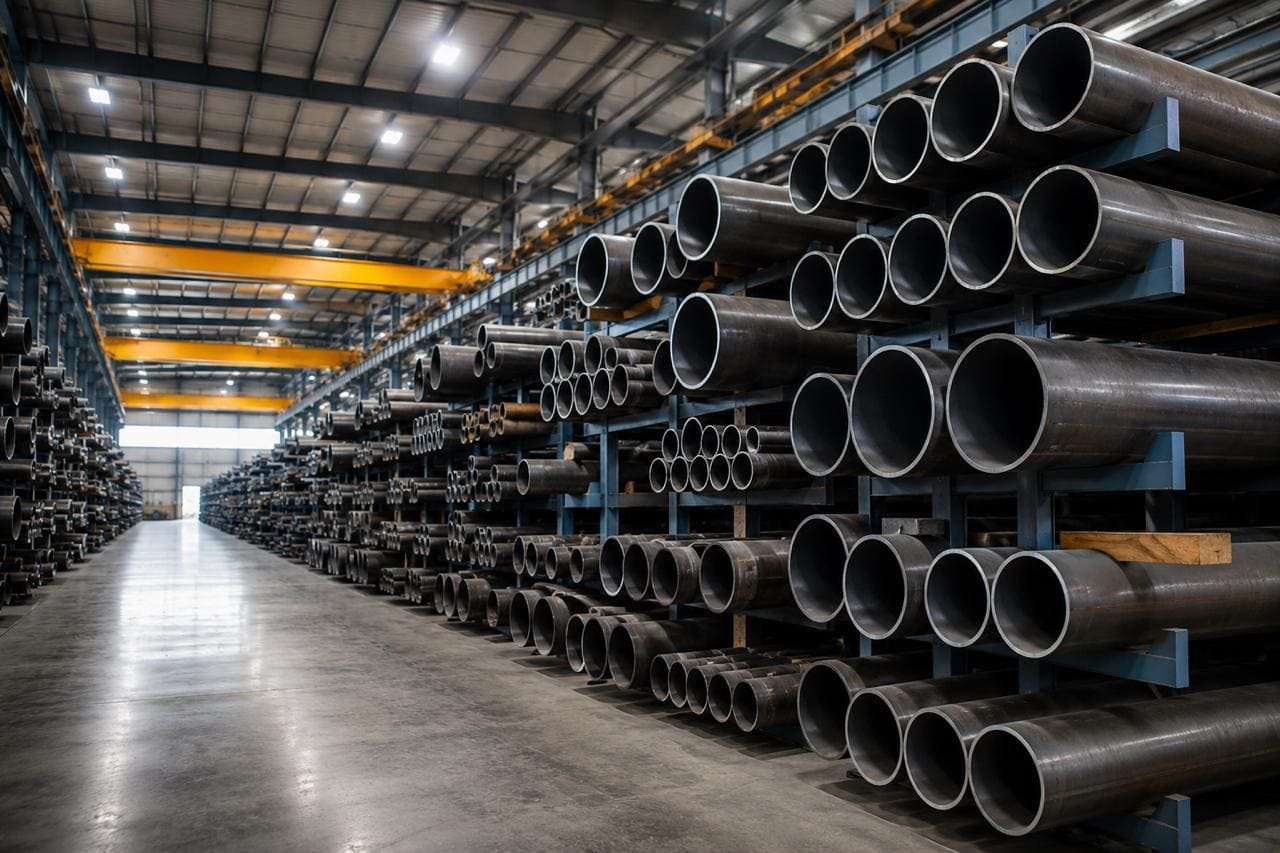
Key Benefits of Chromoly Tubing Explained
Chromoly tubing is widely used in high-performance applications across the automotive, aerospace, and industrial sectors due to its exceptional strength-to-weight ratio and durability. This alloy, primarily composed of chromium and molybdenum, offers enhanced mechanical properties compared to standard carbon steel tubing. When evaluating options from Chromoly Tubing Manufacturers, understanding the key specifications is essential for selecting the right product for your needs.
Technical Specification Table: Chromoly Tubing
| Attribute | Description |
|---|---|
| Grade | Commonly 4130, 4140 |
| Chemical Composition | Chromium (0.8–1.1%), Molybdenum (0.15–0.25%), Carbon (0.28–0.33%) |
| Tensile Strength | Typically 560–670 MPa (varies by heat treatment and grade) |
| Yield Strength | Typically 460–560 MPa |
| Elongation (%) | 20–25% (varies with processing) |
| Hardness | 197–235 HB (Brinell Hardness, untreated) |
| Tube Sizes | Outer diameter ranges from 6 mm to 100 mm+ |
| Wall Thickness | Standard wall thicknesses from 0.5 mm to 5 mm+ |
| Surface Finish | Hot rolled, cold drawn, or normalized |
| Weldability | Good, but requires pre-heating and post-weld heat treatment |
Selecting chromoly tubing from reputable manufacturers ensures compliance with industry standards and optimal performance in demanding environments.
Chromoly tubing is a high-strength alloy steel commonly used in applications requiring durability, weldability, and resistance to deformation. This material is popular in industries such as automotive, aerospace, and construction due to its excellent mechanical properties and versatility. The table below outlines typical technical specifications for chromoly tubing, which are important for engineers, fabricators, and businesses comparing options from Chromoly Tubing Manufacturers.
| Specification | Description |
|---|---|
| Material Grade | Usually 4130 or 4140 chromoly steel alloy |
| Composition | Iron, chromium (0.8–1.1%), molybdenum (0.15–0.25%), carbon (0.28–0.33%) |
| Yield Strength | Typically ranges from 63,000 to 85,000 psi |
| Tensile Strength | Often between 90,000 and 110,000 psi |
| Elongation | Approximately 20–25% in 2 inches |
| Tube Sizes | Available in outer diameters from 1/4 inch to over 2 inches |
| Wall Thickness | Commonly ranges from 0.028 inch to 0.250 inch |
| Weldability | Excellent; suitable for TIG, MIG, and oxy-acetylene welding |
| Surface Finish | Hot-rolled, cold-drawn, or normalized |
| Common Applications | Roll cages, aircraft frames, bicycle frames, chassis construction |
When comparing Chromoly Tubing Manufacturers, understanding these specifications can help ensure the selected tubing meets the required performance and safety standards for the intended application.
How to Choose Quality Chromoly Tubing
- Mechanical Properties: Evaluate tensile strength, yield strength, and ductility to match application demands.
- Size & Wall Thickness: Consider both for load requirements and fabrication compatibility.
- Certification & Standards: Ensure compliance with ASTM A519, SAE, or other relevant specifications for quality assurance.
- Finish & Tolerance: Surface finish and dimensional tolerances can affect assembly and performance.
Key Grades and Material Composition of Chromoly Tubing
| Grade | Composition (Cr/Mo %) | Typical Applications |
|---|---|---|
| 4130 | 0.8–1.1 / 0.15–0.25 | Roll cages, aircraft frames, bicycle frames |
| 4140 | 0.8–1.1 / 0.15–0.25 | High-stress machine parts, axles, crankshafts |
Frequently Asked Questions
Connect with Leading Chromoly Tubing Manufacturers
Explore a curated list of top Chromoly tubing manufacturers and suppliers in the metal and steel industry. Compare offerings, request information, and find the right partner for your project needs—all in one place.