
Home / Chromoly Pipes & Tubes / Chromoly Tubing Size Chart
Chromoly Tubing Size Chart
Discover essential information on chromoly tubing size charts, dimensions, and specifications for chromoly pipes and tubes used in the metal and steel industry. For accurate selection and project planning, access this comprehensive resource. Explore the full size chart and details below to ensure you choose the right chromoly tubing size for your needs.
Page Index
Choosing the right tubing size is crucial for anyone working with chromoly pipes and tubes, whether you’re building a bike frame, a roll cage, or a structural project. Chromoly, short for chromium-molybdenum steel, is well-known in the metal and steel industry for its strength, durability, and relatively lightweight properties. But with so many different sizes and thicknesses available, it can be confusing to figure out which one best fits your needs. That’s where a chromoly tubing size chart comes in handy. This chart offers a clear and organized way to compare the various diameters and wall thicknesses, making it easier to select the right material for your application. Understanding how to use these size charts not only saves time but also helps prevent costly mistakes. In this guide, we’ll break down what you need to know about chromoly tubing sizes, so you can make informed decisions for your next project.
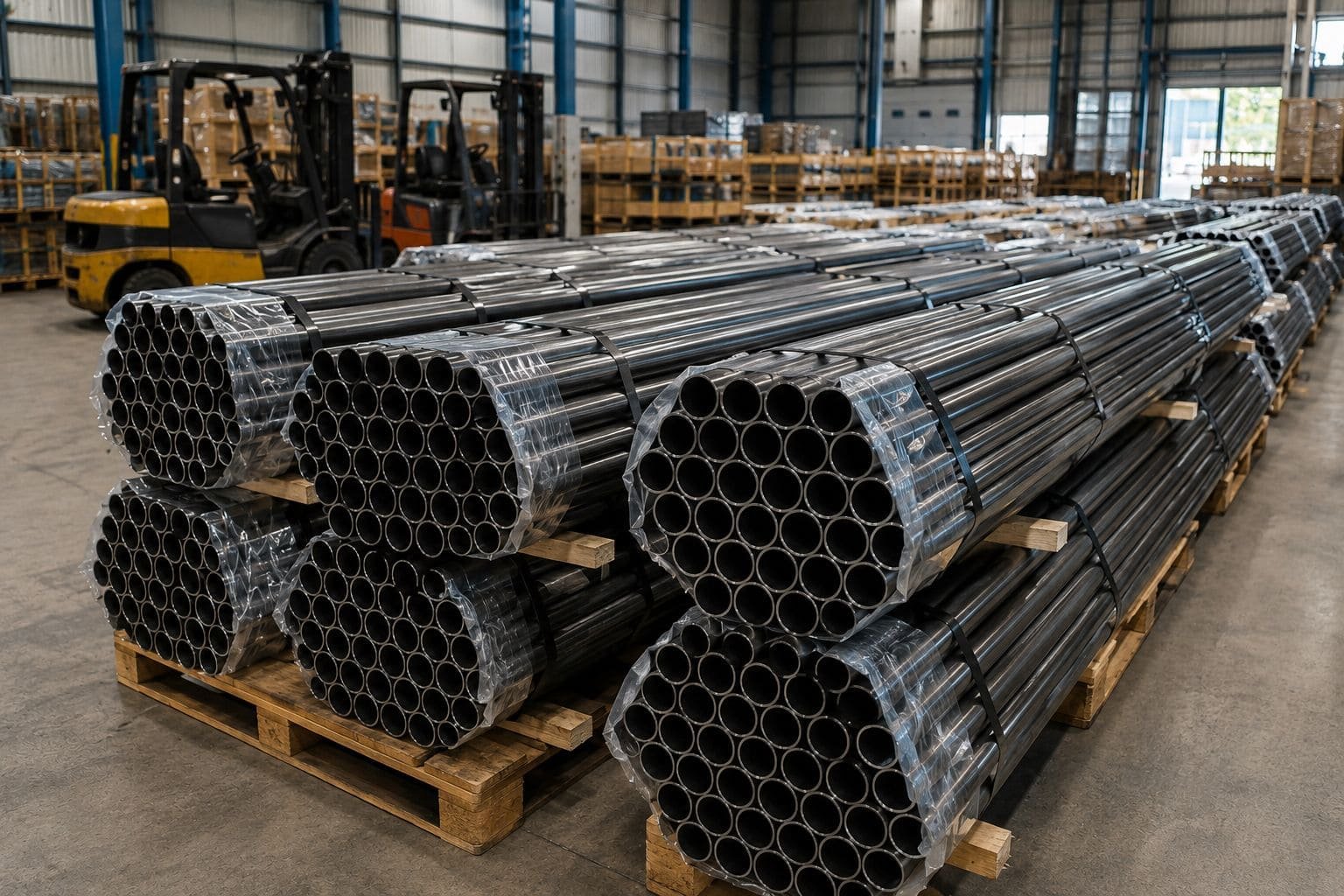
Standard Dimensions of Chromoly Tubing Explained
Chromoly tubing is a high-strength alloy often used in applications requiring durability and lightweight performance, such as in the automotive, aerospace, and cycling industries. Understanding the typical specifications is essential when referencing a Chromoly Tubing Size Chart to ensure compatibility with your project requirements. The following table highlights key technical attributes commonly associated with this material:
Specification Table for Chromoly Tubing
1. Material Grade: 4130 (most common), 4140, and other chromium-molybdenum steel grades
2. Outer Diameter Range: 6 mm to 101.6 mm (1/4" to 4")
3. Wall Thickness Range: 0.5 mm to 6.35 mm (0.020" to 0.250")
4. Tensile Strength: Typically 560–670 MPa (varies by grade and heat treatment)
5. Yield Strength: Around 460 MPa (can vary)
6. Elongation: Approximately 20% in 50 mm
7. Finish: As welded, cold drawn, or normalized
8. Length Options: Standard 6 m (20 ft) or custom cut-to-length
9. Tolerance: As per ASTM A513 or A519 standards
10. Applications: Commonly used in roll cages, bicycle frames, aircraft components, and structural tubing
Consulting a Chromoly Tubing Size Chart helps in selecting the appropriate size and specification for your specific application, ensuring both safety and performance.
Chromoly tubing, commonly used in industries such as motorsports, aerospace, and structural engineering, is valued for its strength-to-weight ratio and versatility. This material is typically made from a steel alloy containing chromium and molybdenum, which enhances its mechanical properties and resistance to corrosion. When referencing a Chromoly Tubing Size Chart, users evaluate key specifications to match application requirements. Below is a technical specification guide outlining the most important attributes commonly associated with this alloy:
| Specification | Description |
|---|---|
| Material Grade | 4130, 4140 (most common grades) |
| Outer Diameter Range | 0.25" to 4" (6.35 mm to 101.6 mm) |
| Wall Thickness | 0.028" to 0.250" (0.71 mm to 6.35 mm) |
| Tensile Strength | Typically 90,000 – 110,000 psi (620 – 758 MPa) |
| Yield Strength | Approximately 75,000 – 95,000 psi (517 – 655 MPa) |
| Elongation at Break | 15% – 25% |
| Hardness | 197 – 235 HB (Brinell Hardness) |
| Finish Options | As-drawn, normalized, or annealed |
| Length Availability | Standard lengths: 20 ft (6 m); custom cuts available |
| Applications | Roll cages, aircraft frames, bicycle frames, chassis, structural parts |
Understanding these specifications helps users compare sizes and properties when consulting a Chromoly Tubing Size Chart for precise project needs. Always consider the intended use and industry standards when selecting this material.
How to Choose the Right Chromoly Tubing Size
- Wall Thickness: Choose the appropriate wall thickness based on load requirements and stress tolerances. Thicker walls offer higher strength but add weight.
- Diameter: The outer and inner diameters should be matched to your project’s specifications and compatibility needs.
- Grade: Chromoly alloys, such as 4130 and 4140, offer varying mechanical properties and corrosion resistance. Ensure the selected grade complies with relevant standards.
- Standards and Certifications: Verify that the tubing adheres to international standards like ASTM A519 or equivalent, especially for critical applications.
- Formability: Consider the ease of cutting, bending, and welding, as this influences fabrication costs and lead time.
Chromoly Tubing Grades and Material Composition
| Outer Diameter (inches) | Wall Thickness (inches) | Weight (lbs/ft) |
|---|---|---|
| 0.500 | 0.035 | 0.131 |
| 0.750 | 0.049 | 0.306 |
| 1.000 | 0.058 | 0.570 |
| 1.250 | 0.065 | 0.857 |
Frequently Asked Questions
Find the Perfect Chromoly Tubing Size
Explore our comprehensive Chromoly Tubing Size Chart to compare dimensions and specifications with ease. Connect with trusted suppliers and manufacturers in the metal and steel industry for your next project.