
Home / Neurologist / Neurological Disorders Symptoms
Neurological Disorders Symptoms
Understanding the Signs of Neurological Disorders
Page Index
Neurological disorders are conditions that affect the brain, spinal cord, and nerves throughout the body. Recognizing the symptoms of these disorders is important, as early identification can help people get the care and support they need. Common symptoms may include headaches, persistent dizziness, weakness, numbness, memory loss, or changes in mood and behavior. Other signs can involve problems with movement, such as tremors, difficulty walking, or loss of coordination. Because neurological disorders cover a wide range of conditions, symptoms can vary from person to person. Understanding these warning signs is the first step toward seeking proper medical advice and learning more about possible diagnoses. This information can help individuals and families make informed decisions about their health and well-being. In this guide, we aim to explain the main symptoms linked to neurological disorders, helping you recognize when it may be time to consult a healthcare professional for further evaluation. Our goal is to provide clear, reliable information so readers can feel empowered to take the next steps if they or a loved one experience these symptoms.
Common Symptoms of Neurological Disorders
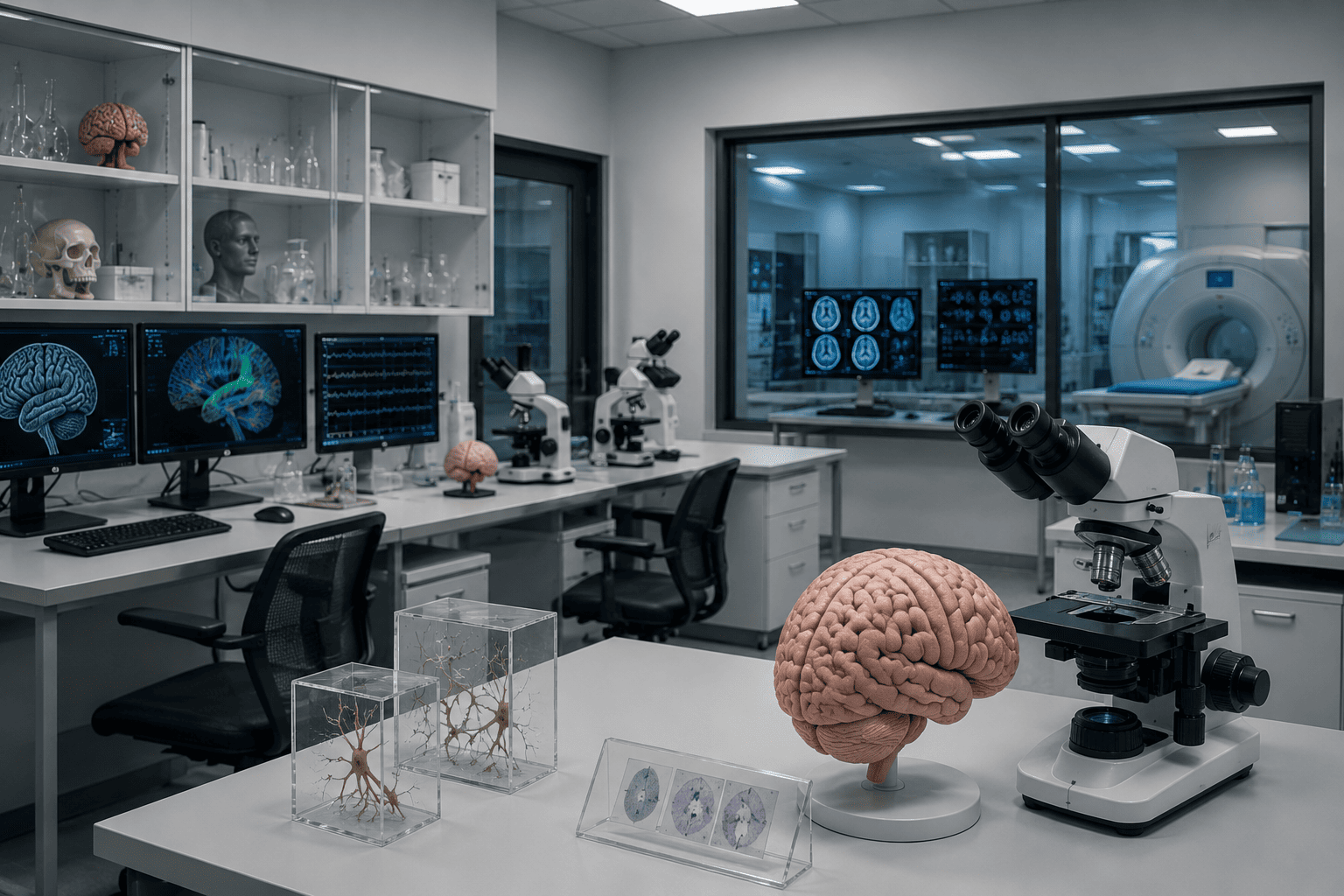
Neurological Disorders Symptoms refer to a wide range of physical, cognitive, and emotional changes arising from conditions that affect the brain, spinal cord, or nerves. Recognizing these symptoms is crucial, as early identification can lead to timely diagnosis and better management of underlying neurological disorders. Common signs include headaches, persistent dizziness, memory problems, muscle weakness, difficulty speaking, numbness, seizures, and changes in mood or behavior. Understanding these indicators helps in the diagnosis and treatment of conditions such as epilepsy, Parkinson’s disease, multiple sclerosis, Alzheimer’s disease, stroke, and neuropathy. Both adults and children may experience neurological symptoms, and they are typically evaluated by a neurologist using a combination of medical history, physical examination, and diagnostic tests like MRI, CT scans, or electroencephalograms (EEG). This healthcare service is generally recommended when symptoms are unexplained, persistent, or progressively worsening. If you or someone you know is experiencing new or concerning neurological changes, it is important to consult a healthcare professional for appropriate assessment and diagnosis.
Common Diagnostic Tests for Neurological Disorders
Diagnosis and Diagnostic Tests for Neurological Disorders
Identifying the cause of symptoms related to neurological disorders is essential for effective treatment and management. Neurologists use a combination of physical examinations, patient history, and specialized diagnostic tests to accurately assess neurological disorders symptoms.
| Diagnostic Test | Purpose | What to Expect |
|---|---|---|
| MRI (Magnetic Resonance Imaging) | Detects structural abnormalities in the brain and spinal cord | Non-invasive scan; may take 30–60 minutes |
| CT Scan | Identifies bleeding, tumors, or stroke | Quick imaging; involves exposure to low-dose radiation |
| EEG (Electroencephalogram) | Measures electrical activity in the brain | Electrodes placed on scalp; painless |
| Blood Tests | Detects infections, metabolic or genetic conditions | Simple blood draw; minimal discomfort |
| Lumbar Puncture (Spinal Tap) | Analyzes cerebrospinal fluid for infections or inflammation | Performed under local anesthesia; brief recovery needed |
Timely diagnosis helps distinguish between conditions, enabling targeted therapies for neurological disorders symptoms. If you notice new or worsening symptoms, consult a neurologist promptly to discuss appropriate testing and next steps.
Long-Term Management of Neurological Disorder Symptoms
- Maintain a balanced diet rich in fruits, vegetables, and whole grains
- Engage in regular, moderate physical activity as recommended by a healthcare provider
- Ensure adequate sleep and establish a consistent sleep routine
- Reduce stress through relaxation techniques such as meditation, yoga, or deep breathing exercises
- Avoid smoking and limit alcohol consumption
Frequently Asked Questions
Understand Neurological Disorder Symptoms
Recognizing symptoms early is key to better neurological health. Explore expert information, compare top-rated specialists, and access valuable resources to help you make informed decisions about your care.