Home / Neurologist / Symptoms Of Stroke And Warning Signs
Symptoms Of Stroke And Warning Signs
Recognize the Early Signs of Stroke to Act Quickly
Page Index
Recognizing the symptoms of stroke and understanding the warning signs can make a life-saving difference. A stroke happens when blood flow to part of the brain is blocked or reduced, which can quickly damage brain cells. Because every second counts, knowing what to look for is crucial. Common warning signs include sudden numbness or weakness in the face, arm, or leg—especially on one side of the body—trouble speaking or understanding speech, vision problems in one or both eyes, severe headache with no known cause, or difficulty walking, dizziness, or loss of balance. These symptoms can appear suddenly and may vary from person to person. If you or someone around you notices these signs, it’s important to seek medical help right away. Early recognition and quick action can help reduce the risk of serious complications. In this guide, we’ll explain the main symptoms of stroke, why they happen, and what you can do if you notice them. By staying informed, you can help protect yourself and your loved ones from the serious effects of stroke.
Recognizing Stroke Symptoms and Early Warning Signs
Symptoms of stroke and warning signs refer to the early indicators that a person may be experiencing a stroke, a serious medical emergency caused by interrupted blood flow to the brain. Recognizing these signs promptly is crucial, as immediate medical attention can significantly improve outcomes and reduce the risk of long-term disability or death. Common symptoms include sudden numbness or weakness in the face, arm, or leg (especially on one side of the body), confusion, trouble speaking or understanding speech, difficulty seeing in one or both eyes, dizziness, loss of balance, or a severe headache with no known cause. Understanding these warning signs is important for patients, caregivers, and the general public, as quick action—such as calling emergency services—can lead to faster diagnosis and treatment. This healthcare topic is especially relevant for individuals with risk factors like high blood pressure, diabetes, or a family history of stroke, and is typically recommended as essential knowledge for everyone.
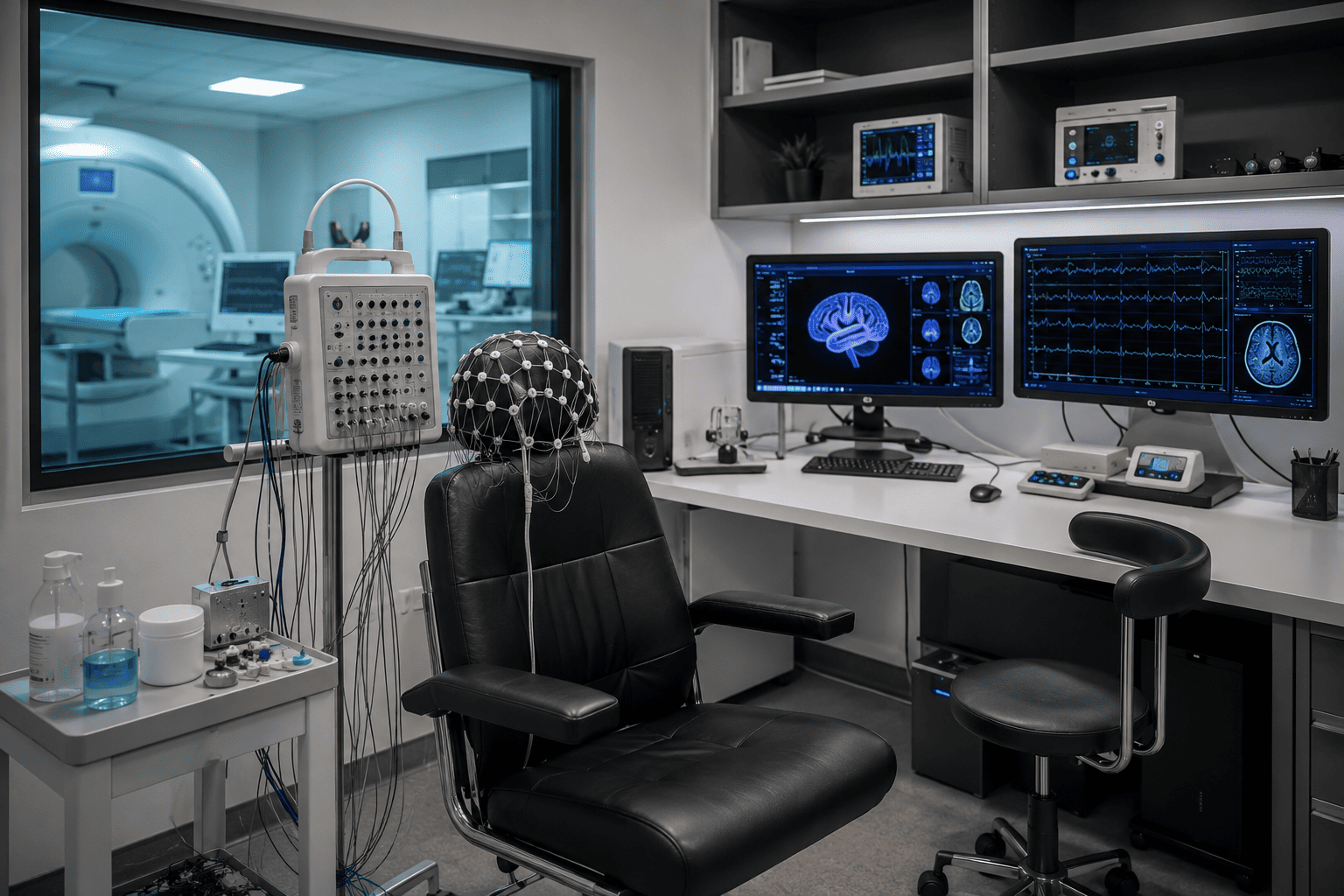
Recognizing the symptoms of stroke and warning signs can help ensure timely intervention, which may include diagnostic tests like CT scans or MRIs, and treatments aimed at restoring blood flow and minimizing brain damage.
Common Stroke Symptoms and Early Warning Signs
| Test | Purpose |
|---|---|
| CT Scan | Detects bleeding or damage in the brain and differentiates between ischemic and hemorrhagic strokes. |
| MRI | Provides detailed images to locate brain tissue damage caused by stroke. |
| Blood tests | Checks for clotting issues, blood sugar, and infections. |
| Carotid ultrasound | Examines blood flow in neck arteries that supply the brain. |
| Electrocardiogram (ECG) | Detects heart rhythm problems that could cause stroke. |
Stroke Prevention Tips and Lifestyle Recommendations
- Follow up regularly with healthcare professionals to monitor progress and address any new symptoms.
- Adhere to prescribed medications to control risk factors such as high blood pressure, diabetes, and cholesterol.
- Adopt a heart-healthy lifestyle—this means eating a balanced diet, engaging in regular physical activity as recommended, quitting smoking, and limiting alcohol intake.
- Participate in support groups or counseling to manage emotional and psychological impacts.
Frequently Asked Questions
Recognize Stroke Symptoms Early
Understanding the warning signs of a stroke can save lives. Explore detailed information, compare expert neurologists, and access resources to help you make confident, informed healthcare decisions for yourself or loved ones.