
Home / Neurologist / Parkinson's disease specialist
Parkinson's disease specialist
Support and Guidance from Experts in Parkinson’s Disease
Page Index
Parkinson’s disease is a progressive neurological condition that affects movement, balance, and coordination. For individuals and families facing Parkinson’s, understanding the role of a Parkinson’s disease specialist is essential. These healthcare professionals are experts in diagnosing and managing Parkinson’s, offering guidance on the latest treatment options and providing support throughout the journey. As advancements in medicine continue, patients have more choices than ever before for therapy, symptom management, and ongoing care. When considering Parkinson’s disease specialists, people often look for providers with experience, up-to-date knowledge, and a compassionate approach to patient care. Researching and comparing healthcare providers globally can help individuals find specialists who align with their needs and values. This section will explore what Parkinson’s disease specialists do, how they can help, and what to look for when choosing the right provider. Whether you’re newly diagnosed or seeking a second opinion, learning more about Parkinson’s care can empower you to make informed decisions for your health and well-being.
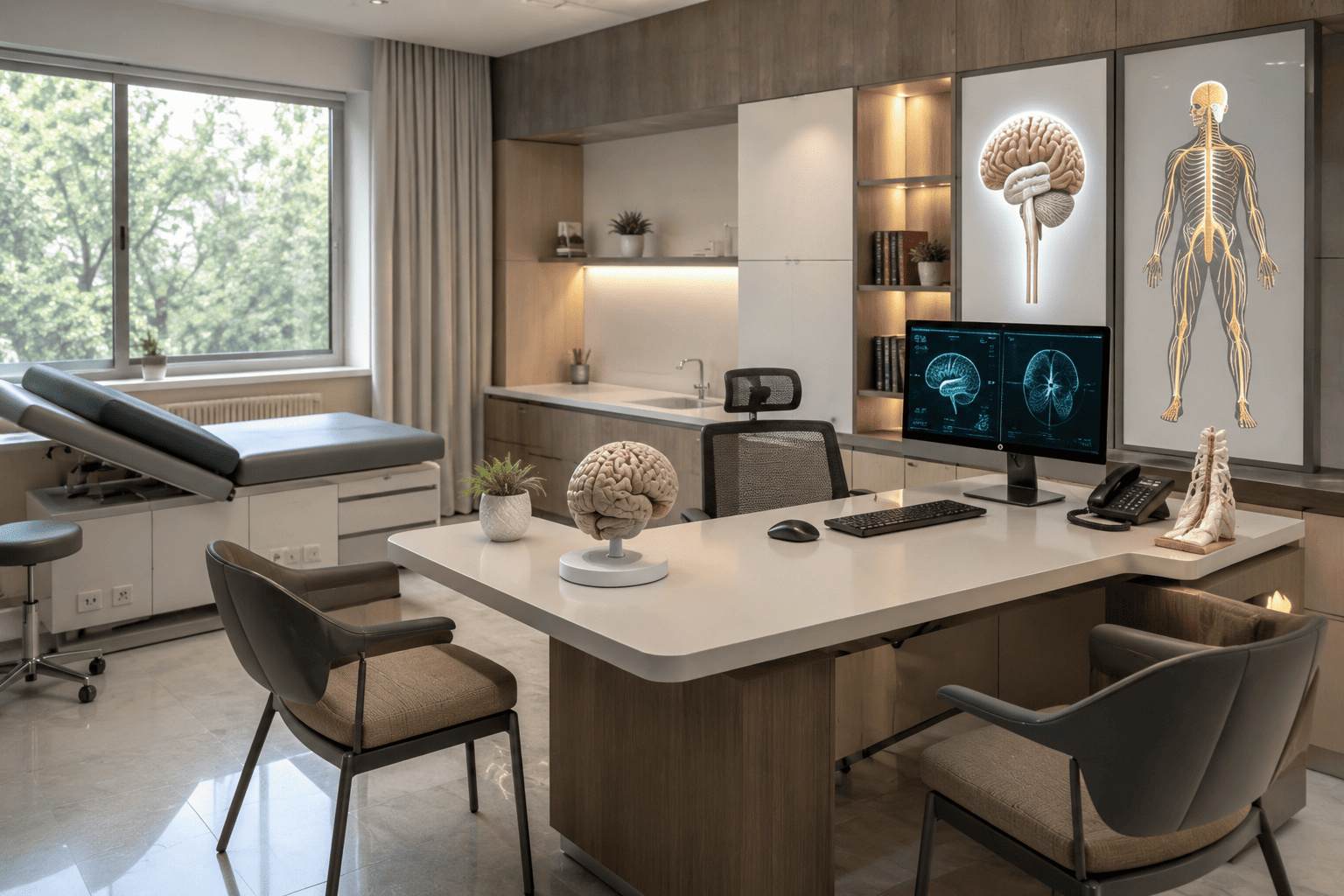
Symptoms and Diagnosis of Parkinson's Disease
A Parkinson's disease specialist is a medical expert who focuses on diagnosing, managing, and treating Parkinson's disease—a progressive neurological disorder that primarily affects movement. This specialty is crucial because Parkinson's disease can cause a wide range of symptoms, including tremors, stiffness, balance problems, and changes in speech or writing, which often require nuanced and individualized care plans. The specialty also addresses related conditions such as atypical parkinsonism, essential tremor, and other movement disorders. By using a combination of clinical assessments, neurological exams, and sometimes imaging tests, these professionals help distinguish Parkinson's disease from similar disorders, ensuring patients receive the most appropriate therapies. Common treatments may include medications to manage dopamine levels, physical therapy, lifestyle modifications, and occasionally surgical interventions like deep brain stimulation. Individuals experiencing persistent tremors, unexplained stiffness, or difficulties with coordination may benefit from consulting a Parkinson's disease specialist, especially if symptoms interfere with daily life or are worsening.
A thorough evaluation by this healthcare service is typically recommended for accurate diagnosis, ongoing symptom management, and to discuss available treatment options.
Common Symptoms of Parkinson’s Disease Explained
Diagnosing Parkinson’s Disease: What to Expect
For individuals experiencing symptoms like tremors, stiffness, or slowed movements, an accurate diagnosis is essential. A Parkinson's disease specialist will conduct a detailed assessment to distinguish Parkinson’s from other neurological conditions. This process often involves:
- Medical History: Reviewing your symptoms, family history, and any exposure to risk factors.
- Physical and Neurological Exam: Testing reflexes, muscle tone, gait, balance, and coordination.
- Symptom Assessment: Evaluating specific signs such as resting tremor, rigidity, and changes in speech or facial expression.
Although there is no single test to confirm Parkinson’s disease, specialists may use imaging or laboratory tests to rule out other causes. The following table summarizes common diagnostic tools:
| Test | Purpose |
|---|---|
| DaTscan | Visualizes dopamine system in the brain |
| MRI/CT Scan | Excludes other neurological disorders |
| Blood Tests | Screens for conditions with similar symptoms |
Early diagnosis allows for better management and support, so consult a Parkinson’s disease specialist if you notice persistent movement changes or related concerns.
Long-Term Management Strategies for Parkinson’s Disease
- Physical, occupational, and speech therapy to maintain mobility and independence
- Regular exercise, such as walking, swimming, or yoga, to improve balance and reduce stiffness
- Healthy dietary habits to support overall wellbeing and manage medication side effects
- Support groups or counseling for emotional health
Frequently Asked Questions
Find Expert Parkinson's Disease Specialists
Explore comprehensive information on Parkinson's disease, compare experienced neurologists and clinics, and empower yourself to make informed healthcare choices. Start your journey towards better care with our independent platform.