
Home / Neurologist / What Is Fibromyalgia
What Is Fibromyalgia
Understanding Fibromyalgia: Symptoms, Causes, and Care
Page Index
Fibromyalgia is a long-term health condition that causes widespread pain and tenderness throughout the body. Many people with fibromyalgia also experience fatigue, sleep problems, and difficulties with memory or concentration, sometimes called “fibro fog.” While the exact cause of fibromyalgia is not fully understood, experts believe it may be related to how the nervous system processes pain signals. This condition affects people of all ages, but it is more common in women and usually develops during middle adulthood. Since the symptoms can be similar to those of other health issues, fibromyalgia can sometimes be challenging to diagnose. However, understanding its signs and how it impacts daily life is an important first step toward finding ways to manage it. Learning about fibromyalgia can help individuals, families, and caregivers recognize symptoms earlier and seek the right support. If you or someone you know is experiencing ongoing pain, fatigue, or other unexplained symptoms, it may be helpful to speak with a healthcare professional to learn more about fibromyalgia and available options for care.
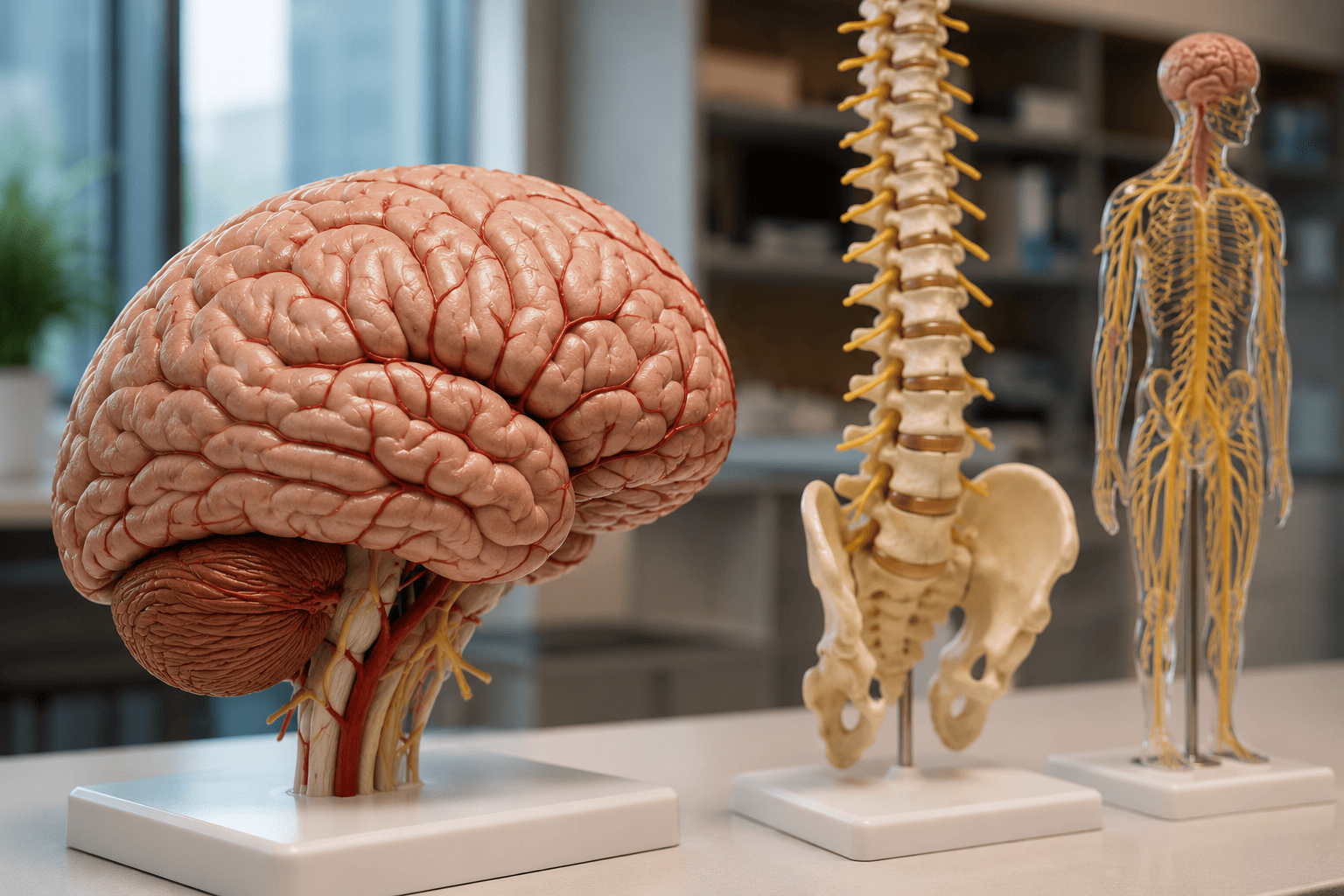
Understanding the Symptoms and Causes of Fibromyalgia
What Is Fibromyalgia refers to a chronic disorder characterized by widespread musculoskeletal pain, fatigue, sleep disturbances, and cognitive difficulties. This condition affects the way the brain and spinal cord process pain signals, amplifying painful sensations throughout the body. Fibromyalgia is important to recognize because its symptoms can significantly impact a person’s daily life, emotional wellbeing, and ability to function at work or home. While the exact cause is not fully understood, factors such as genetics, infections, and physical or emotional trauma may contribute to its development. The condition often coexists with other issues like irritable bowel syndrome, migraines, or depression, and it can sometimes be mistaken for other medical problems. Diagnosing fibromyalgia can be challenging, as there are no specific laboratory tests; diagnosis is typically based on a patient’s reported symptoms and a physical examination. Treatment usually involves a combination of medication, lifestyle modifications, physical therapy, and stress management techniques.
For individuals experiencing persistent, unexplained pain and fatigue, understanding the signs, diagnostic process, and available treatment options for fibromyalgia can be an important step toward effective symptom management and improved quality of life.
Common Symptoms and Signs of Fibromyalgia
Common Symptoms of Fibromyalgia
Fibromyalgia is a chronic condition that primarily causes widespread pain and tenderness throughout the body. However, symptoms can vary significantly from person to person, making diagnosis challenging. Understanding the range of symptoms can help individuals recognize when to seek medical advice.
| Symptom | Description |
|---|---|
| Widespread Pain | A persistent, dull ache affecting multiple areas of the body for at least three months. |
| Fatigue | Feeling tired even after a full night's rest; may include disrupted sleep or restless legs syndrome. |
| Cognitive Difficulties | Often referred to as "fibro fog," this includes problems with concentration, memory, and focus. |
| Sleep Disturbances | Difficulty falling or staying asleep, unrefreshing sleep, or insomnia. |
| Other Symptoms | Includes headaches, irritable bowel syndrome, depression, and anxiety. |
Because fibromyalgia symptoms often overlap with other conditions, a neurologist may use a combination of medical history, physical examination, and symptom assessment to help confirm a diagnosis. If you notice persistent symptoms similar to those described in What Is Fibromyalgia, consider consulting a healthcare professional for evaluation and support.
Effective Self-Care Strategies for Fibromyalgia Management
- Regular physical activity: Low-impact exercises, such as walking, swimming, or gentle stretching, can help reduce pain and fatigue over time.
- Establishing healthy sleep habits: Creating a consistent sleep schedule and practicing good sleep hygiene may ease sleep disturbances commonly associated with fibromyalgia.
- Stress management: Techniques like mindfulness, meditation, or deep breathing exercises can help manage stress, which often exacerbates symptoms.
- Balanced nutrition: Eating a varied, nutrient-rich diet can support overall health and energy levels.
- Support networks: Connecting with support groups or counseling services can provide emotional support and practical advice.
Frequently Asked Questions
Understand Fibromyalgia and Your Healthcare Options
Discover essential information about fibromyalgia, compare experienced neurologists and clinics, and empower yourself to make informed decisions about your health. Start exploring qualified specialists and resources tailored to your needs today.