Home / Neurologist / Stroke Recovery And Rehabilitation
Stroke Recovery And Rehabilitation
Hope and Guidance for Life After Stroke
Page Index
Stroke recovery and rehabilitation is a crucial part of the journey for many people who have experienced a stroke. This process focuses on helping stroke survivors regain their strength, mobility, and independence by addressing the physical, mental, and emotional challenges that often follow a stroke. Rehabilitation programs are typically guided by neurologists and a team of healthcare professionals who use a range of therapies and techniques tailored to each individual’s needs. These might include physical therapy, occupational therapy, speech and language therapy, and psychological support. The goal is to help patients improve their quality of life while adapting to any lasting effects of the stroke. With advancements in medical care and a better understanding of how the brain recovers, people around the world now have access to more comprehensive and effective stroke recovery options. Whether you or a loved one are starting the rehabilitation process, understanding what to expect and how these programs work is the first step toward making informed decisions about care and treatment options.
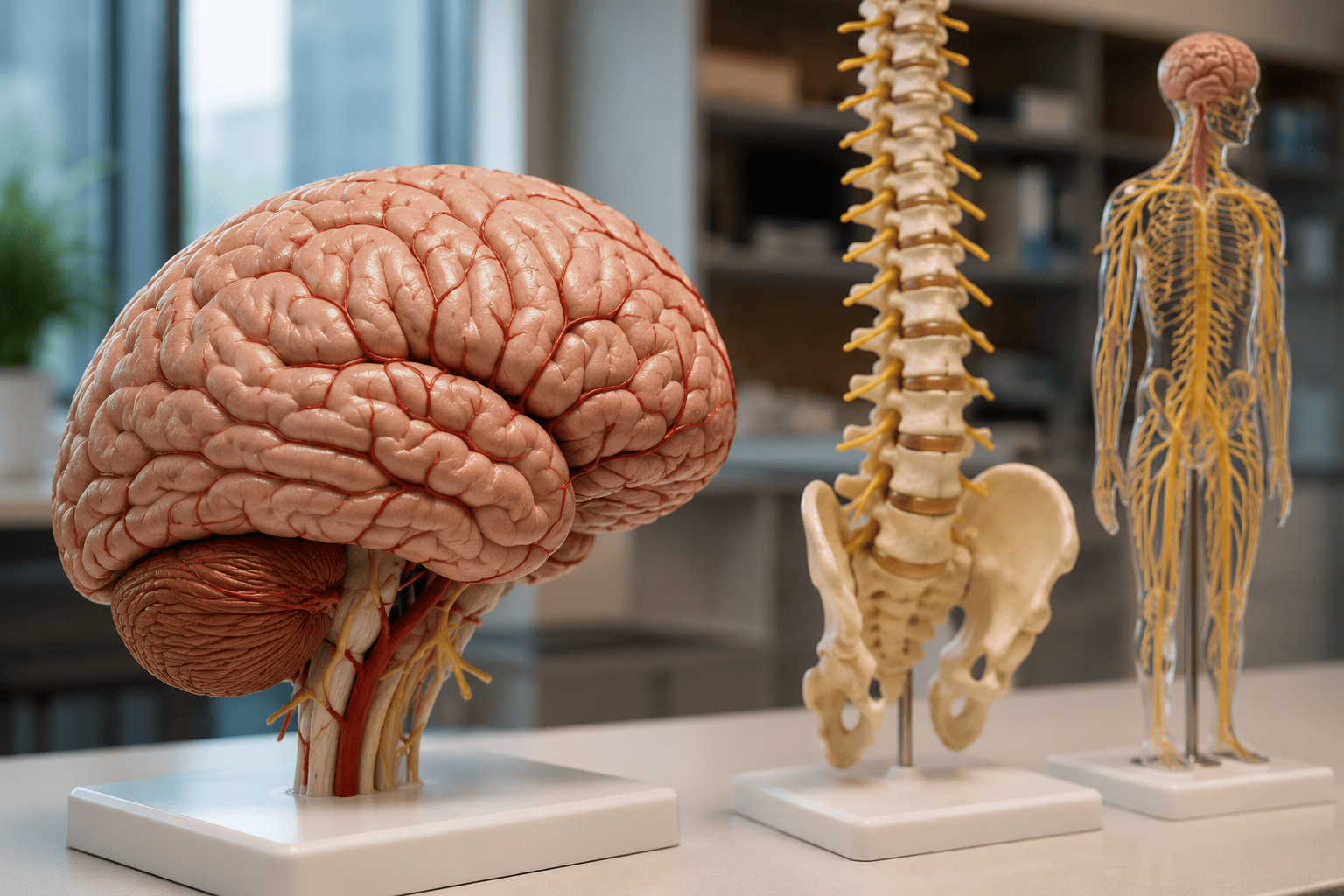
Effective Strategies for Stroke Recovery and Rehabilitation
Stroke Recovery And Rehabilitation is a specialized area within neurology and physical medicine focused on helping individuals regain function and improve quality of life after experiencing a stroke. This healthcare service addresses the physical, cognitive, and emotional challenges that often follow a stroke, such as weakness, speech difficulties, impaired mobility, and changes in thinking or mood. Rehabilitation programs are tailored to each patient’s unique needs and may include physical therapy, occupational therapy, speech-language therapy, and psychological support. The treatment is crucial for maximizing recovery, preventing complications, and promoting independence. Individuals who have experienced a stroke—regardless of severity—can benefit from early and ongoing rehabilitation, typically beginning as soon as the patient is medically stable. Family members and caregivers are also supported to enhance the recovery process at home. Stroke Recovery And Rehabilitation is commonly recommended after a stroke diagnosis, with the goal of restoring daily living skills and helping patients return to their communities. Key components include comprehensive assessments, individualized therapy plans, and regular progress evaluations to ensure optimal outcomes.
Common Symptoms and Effects of Stroke Recovery
| Common Stroke Symptoms | Possible Post-Stroke Challenges |
|---|---|
|
|
Lifestyle Recommendations for Stroke Recovery Success
- Healthy diet: Focus on fruits, vegetables, lean proteins, and whole grains. Limit salt and processed foods to help control blood pressure and cholesterol.
- Regular physical activity: Engage in doctor-approved exercises, such as walking or gentle stretching, to improve mobility, balance, and heart health.
- Medication management: Take prescribed medications consistently and attend all follow-up appointments to monitor progress.
- Quit smoking: Stopping tobacco use can greatly reduce the risk of another stroke.
- Limit alcohol: Reduce or avoid alcohol to support overall health and recovery.
Frequently Asked Questions
Empower Your Stroke Recovery Journey
Explore essential information on stroke rehabilitation, compare experienced neurologists and specialized clinics, and make informed choices for your recovery. Discover resources to support your path to better health today.