
Home / Neurologist / What Is Parkinson's Disease
What Is Parkinson's Disease
Understanding Parkinson's Disease: Causes, Symptoms, and Care Options
Page Index
Parkinson’s disease is a progressive neurological disorder that affects movement and can impact many aspects of daily life. It happens when certain nerve cells in the brain, which produce a chemical called dopamine, start to break down or die. Dopamine helps control smooth and coordinated muscle movements, so when its levels drop, people may notice symptoms like tremors, stiffness, slowed movements, or balance problems. While the exact cause of Parkinson’s disease is not fully understood, researchers believe a mix of genetic and environmental factors may play a role. The condition usually develops slowly, with mild symptoms at first that can gradually become more noticeable over time. Parkinson’s disease affects people differently, and no two cases are exactly alike. Early diagnosis and the right support can help people manage symptoms and maintain a good quality of life. If you or someone you know is experiencing changes in movement or coordination, it’s important to seek advice from a healthcare professional for a proper evaluation. Understanding Parkinson’s disease is the first step toward getting the right care and making informed health decisions.
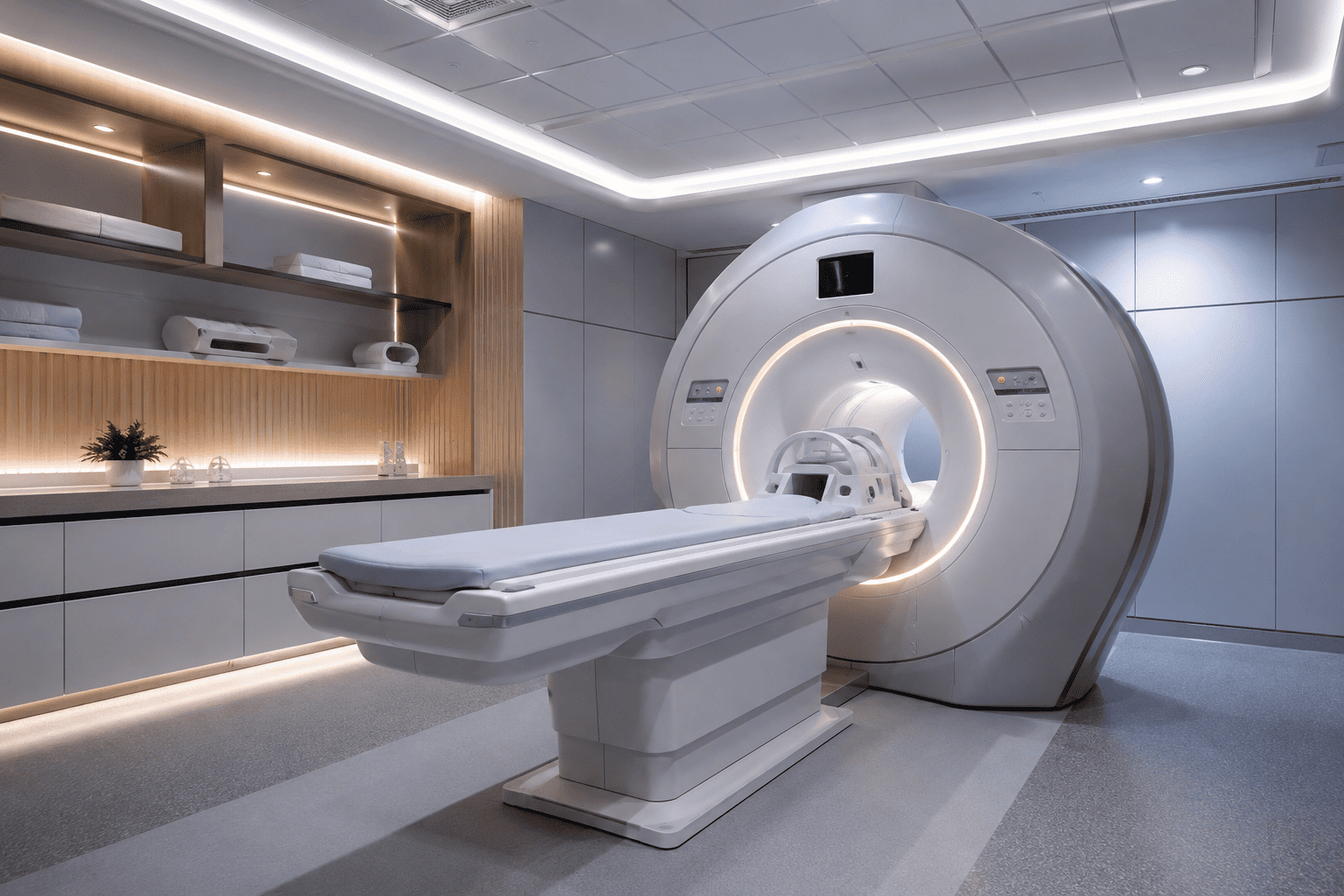
Understanding the Symptoms and Causes of Parkinson's Disease
What Is Parkinson's Disease refers to a progressive neurological disorder that primarily affects movement and motor control. This condition develops when nerve cells in the brain that produce dopamine—a chemical crucial for smooth and coordinated muscle movements—become damaged or die. Parkinson's disease is important to understand because it is one of the most common neurodegenerative disorders, especially among older adults, and can significantly impact daily life. Typical symptoms include tremors, muscle stiffness, slowed movements, and balance difficulties, though non-motor symptoms such as sleep disturbances, mood changes, and cognitive challenges may also occur. Early diagnosis is vital, as it allows patients and their healthcare teams to manage symptoms effectively and plan for future care. Individuals experiencing persistent tremors, unexplained stiffness, or changes in movement are often advised to seek evaluation by a neurologist, who may use neurological exams and imaging tests to confirm the diagnosis. Treatment options commonly include medications, physical therapy, and sometimes surgical procedures to help manage symptoms and improve quality of life.
Common Symptoms of Parkinson's Disease
Common Symptoms of Parkinson's Disease
Recognizing the symptoms of Parkinson's disease early can help patients and families seek timely support and treatment. This neurological disorder primarily affects movement, but symptoms can vary from person to person.
| Motor Symptoms | Non-Motor Symptoms |
|---|---|
|
|
Symptoms of Parkinson's disease tend to worsen gradually. While tremors are often the most noticeable sign, not everyone with Parkinson's will experience them. Non-motor symptoms can sometimes appear years before movement problems and may be mistaken for other conditions.
If you or a loved one begin noticing persistent symptoms such as tremors, stiffness, or changes in movement, it's important to consult a neurologist for further evaluation. Early diagnosis and intervention can improve quality of life and help you better manage What Is Parkinson's Disease.
Long-Term Management Strategies for Parkinson’s Disease
- Regular exercise: Physical activity such as walking, stretching, or swimming can enhance mobility, balance, and mood.
- Balanced nutrition: Eating a diet rich in fruits, vegetables, whole grains, and lean proteins supports overall health and may help manage symptoms.
- Medication adherence: Taking prescribed medications at the correct times is essential for symptom control. Setting reminders can be helpful.
- Routine follow-up: Regular visits with a neurologist or healthcare provider ensure that treatment plans are adjusted as needs change.
- Support networks: Connecting with local or online support groups can provide emotional encouragement and practical advice.
Frequently Asked Questions
Understand Parkinson's Disease
Discover in-depth information about Parkinson's disease, its symptoms, and treatment options. Compare top-rated neurologists and healthcare specialists to make empowered decisions for your neurological health. Start your journey to better understanding and care today.